
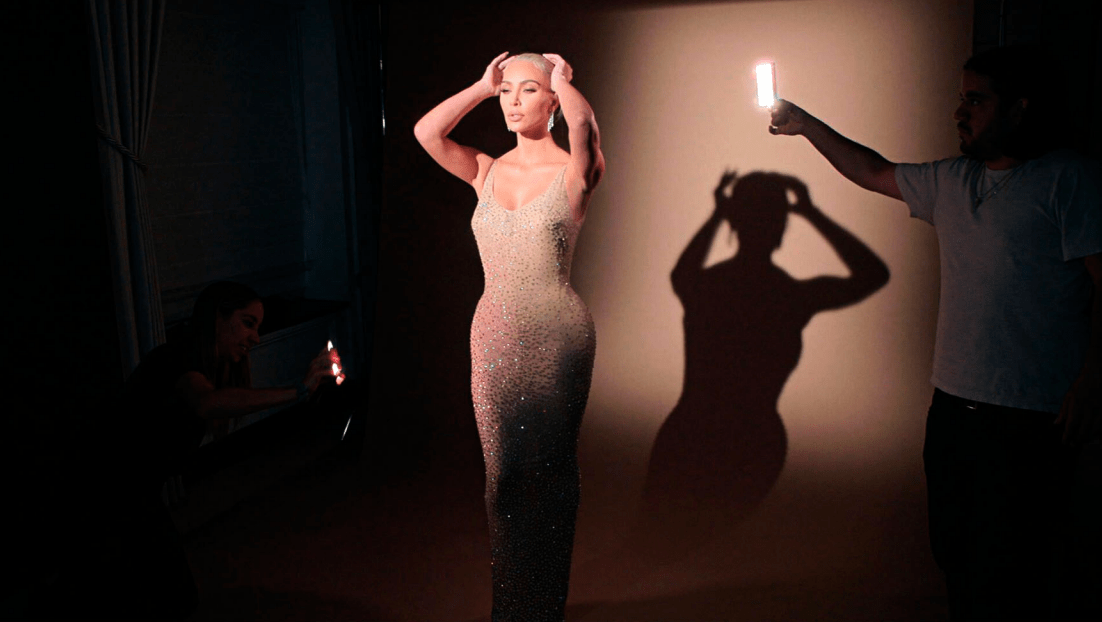
Our team member, Jules Pelta Feldman, has just published an article titled “Conserving Performance, Performing Conservation: Kim Kardashian x Marilyn Monroe” in the Studies in Conservation journal. Below, you can find its abstract followed by a link leading to the full version of this text.
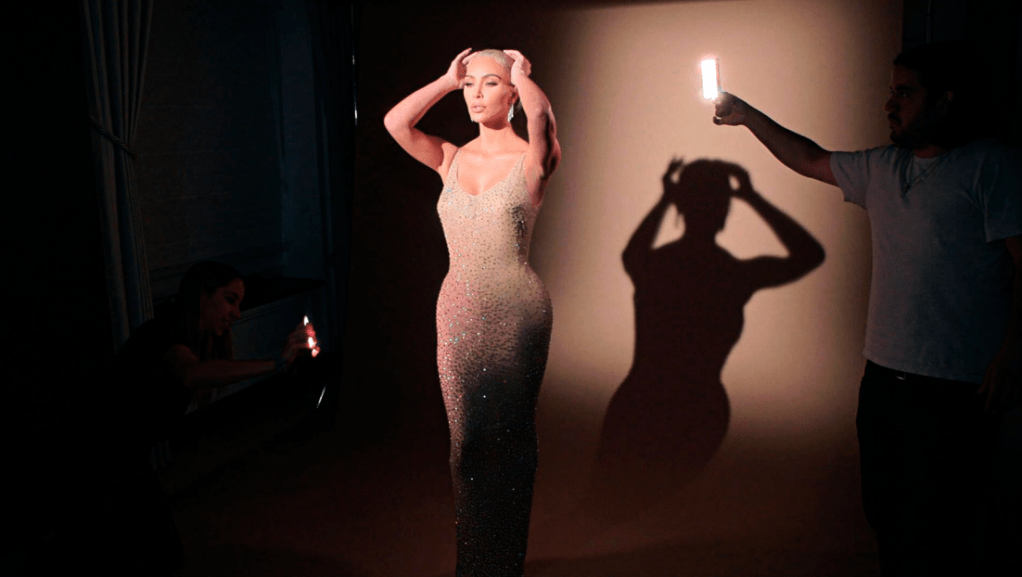
After May 2, 2022, heritage conservation briefly became a hot topic in the world of celebrity gossip. That evening, Kim Kardashian, a reality TV star and entrepreneur, wore a 60-year-old dress that had belonged to Marilyn Monroe to the Metropolitan Museum of Art’s annual Costume Institute Gala. In wearing Monroe’s dress, Kardashian sought to channel the glamor and celebrity of the mid-century star. She also summoned the ire of museum professionals, who considered her choice to wear a fragile historical garment a flagrant violation of conservation ethics. Yet increasingly, the discipline of conservation has come to recognize that an object’s ‘integrity’ does not rest solely in its physical materials – and the discourse of performance conservation, informed by research into the
conservation of contemporary art as well as intangible cultural heritage, emphasizes the
active lives of what I call ‘performative objects’ over their physical form and static
appearance. Here, I posit that Kardashian’s wearing of Monroe’s dress may be understood as a form of conservation – perhaps not of the dress itself, but of the performance of which
that dress was an integral part, and without which, I argue, the dress has little significance.
To make this argument, I will also draw on innovative approaches to the conservation of
Indigenous heritage that recognize the preservation value of reanimating objects from the
past. Establishing Monroe’s dress as a ‘performative object,’ an item inextricably linked to
the body in motion, I endeavor to show how performance itself preserves the past.
Continue reading this open access article following this link: https://www.tandfonline.com/doi/pdf/10.1080/00393630.2023.2260628
 Performance: Conservation, Materiality, Knowledge