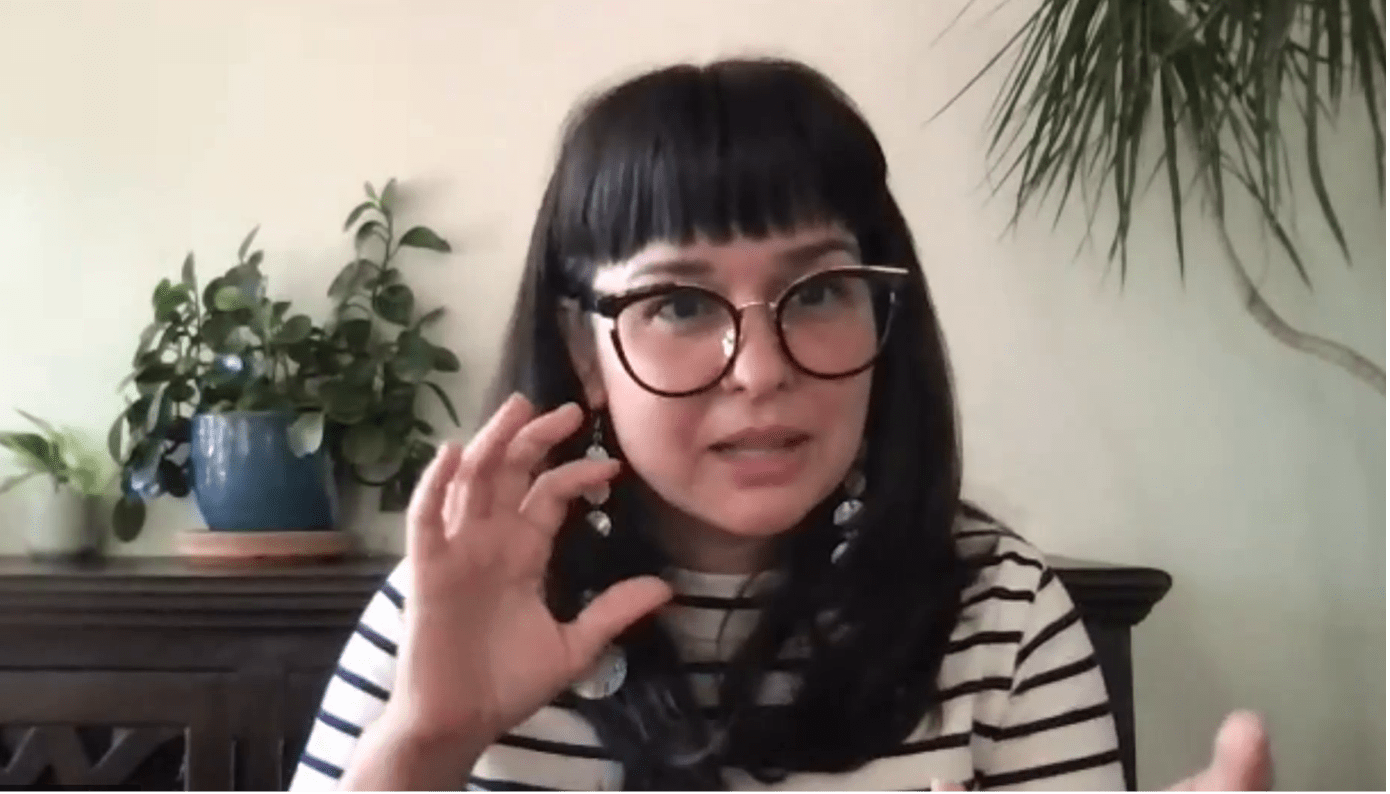
Artist and archivist Cori Olinghouse and art historian Megan Metcalf employ four illustrative examples to explore how an embodied approach to archives and acquisitions transforms traditional conservation paradigms. They critically examine the evolving vocabulary for the continuation of performance over the long term.
Inside Saint Barthรฉlemy: a Seven-Day Motionless Journey
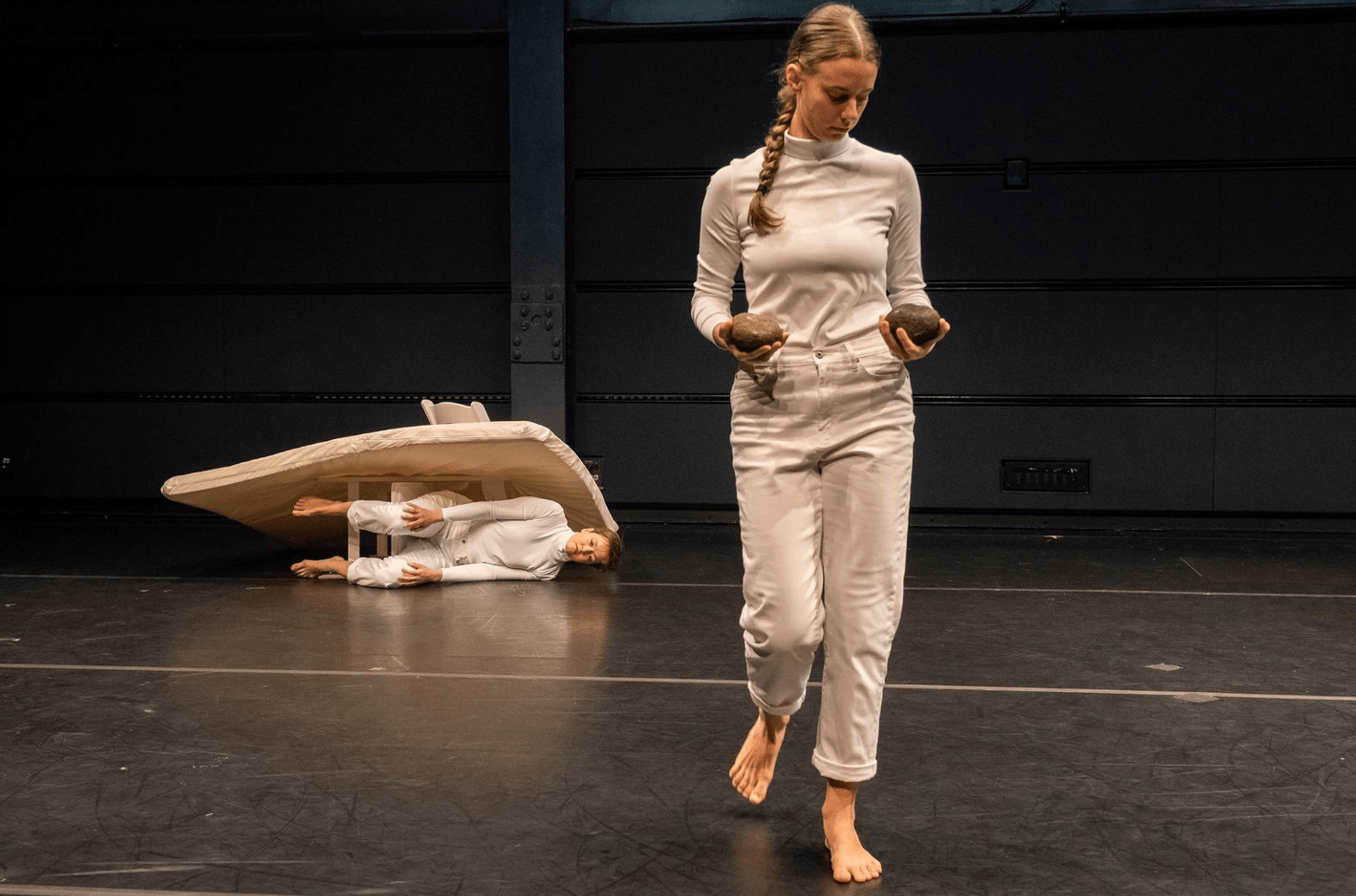
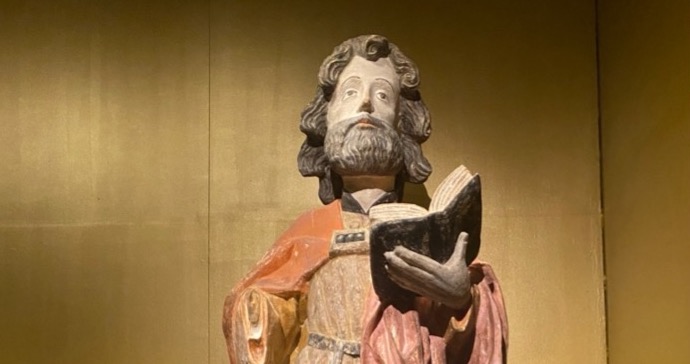
For seven days, the French artist Abraham Poincheval lived inside the enlarged reproduction of a medieval wooden sculpture. How does this durational and almost immobile performance relate to the different temporalities of the museum and the and the live body?
Divergent Conservations – conservations divergentes
Some reflections on the conference โConservations divergentes โ Prรฉservation et transmission des collections de provenance coloniale en dรฉbatโ (Divergent Conservations โ Debates on the preservation and transmission of collections of colonial provenance).
Performance from A to Z: a Conversation with Performaโs Executive Producer Esa Nickle
Since its creation in 2005, the New York performance biennial Performa has played a leading role in the development and diffusion of performance art. We recently met with Performa's Managing Director and Executive Producer, Esa Nickle.
Looking back at Conserving “Us:” Caring for Living Heritage, Oral Tradition and Indigenous Knowledge โ ย A Conversation with Brandie Macdonald
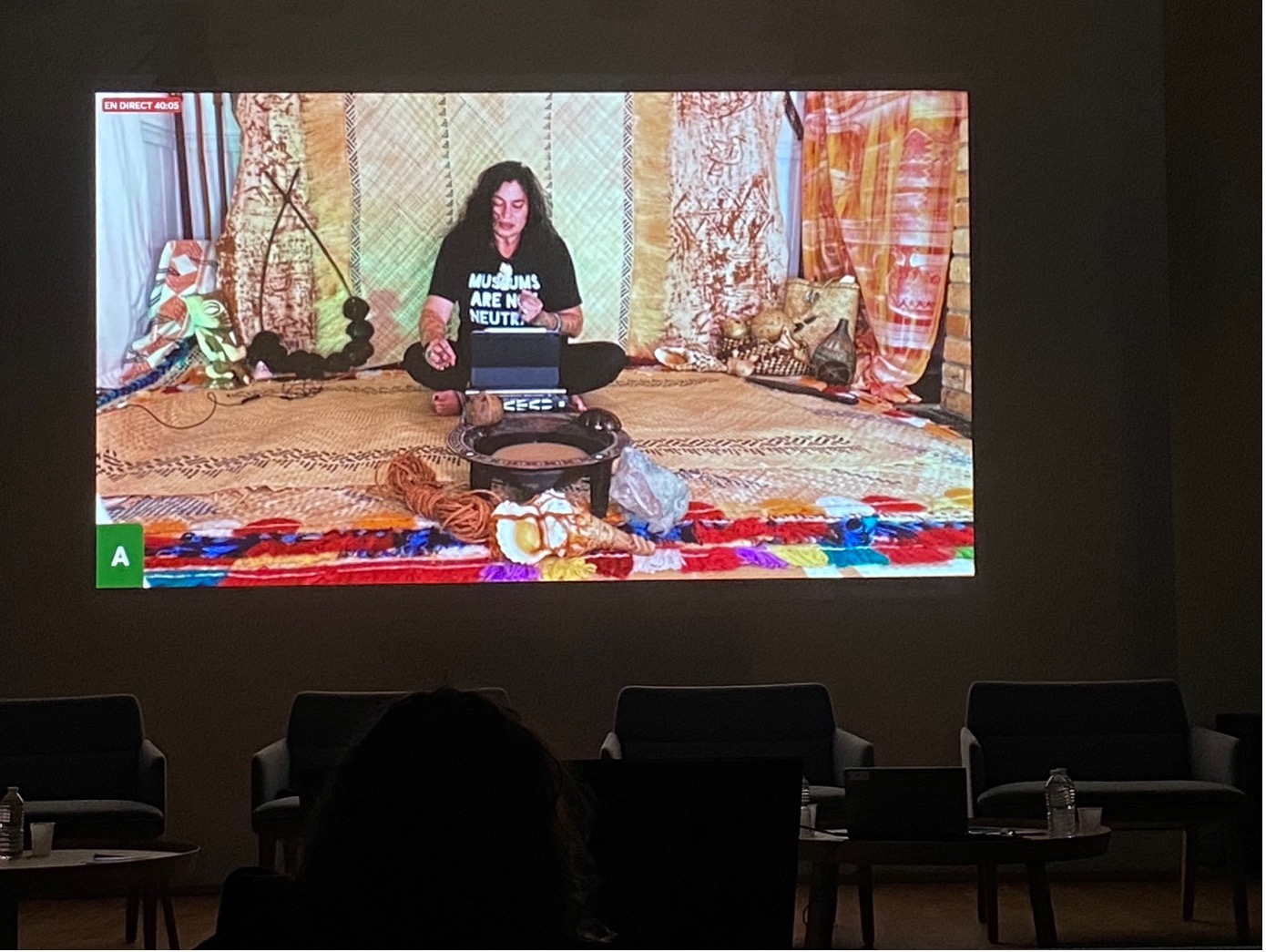
What does it take to care for living heritage and indigenous knowledge? What does it mean to conserve oral tradition or spiritual performance? How can museums become a space for engaging with living objects, and how to approach these through a decolonial lens? Our research team invited Brandie Macdonald, Chickasaw Nation/Choctaw Nation, senior Director of Decolonializing Initiatives at the San Diego Museum of Us to present her work and discuss these questions within the Thursday Lecture series organized at the Bern Academy of the Arts. In what follows, Emilie Magnin shares some reflections about the event.
Time to Listen: The Aural Dimensions of Performance and Time-Based Media Art
In conservation and art history, two disciplines that remain very visually oriented, the sound aspects of artworks are too often neglected or forgotten. This aspect was the subject of recent discussions with performance scholar Heike Roms and time-based media conservator Amy Brost.
โSomebody felt that too!โ Discussing Performance Legacies with Paul Couillard
During our recent conversation with Canadian artist and curator Paul Couillard, we discussed the preservation of performance through the lens of the various curatorial and artistic projects that he has been engaged with. How should a performance work be remembered, what about it is to be preserved? And how to foster and renew relationships between audiences, artists and artworks? These are some of the questions that have nurtured Paulโs thoughts in caring for his own work as well as the work of others over the years.
Contemplating digital ruins with Sabine Himmelsbach
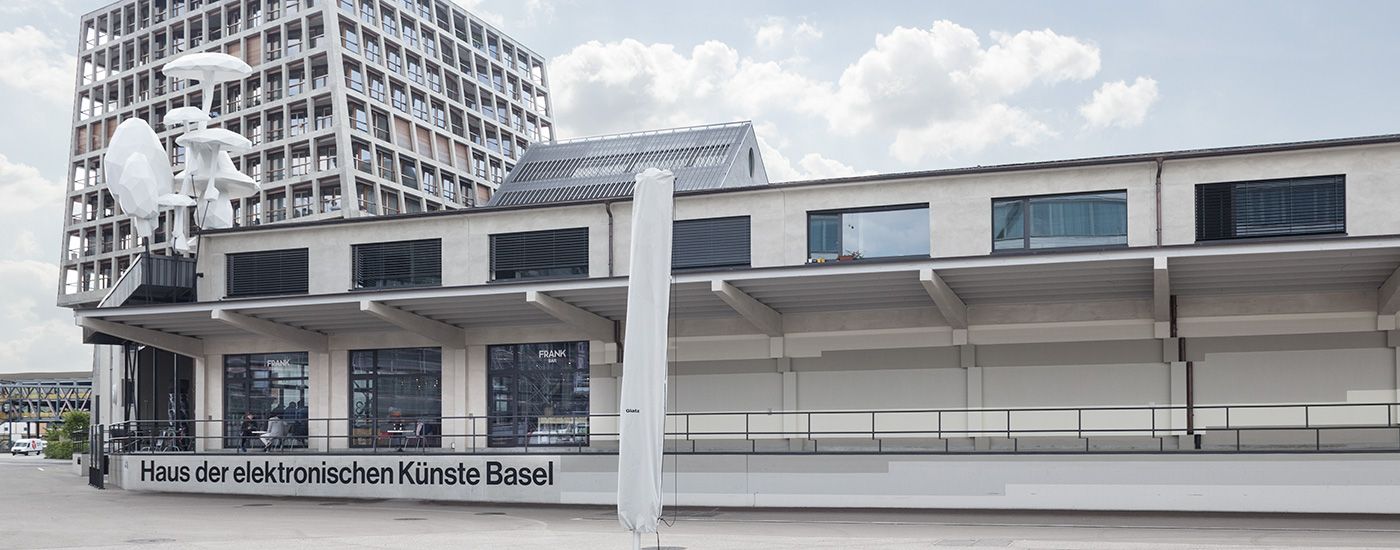
How to preserve complex digital artworks for the future? And what parallels can we draw between media art and performance art? Our recent conversation with Sabine Himmelsbach, director of the Haus der elektronischen Kรผnste Basel (HeK), has led us to explore the institutional afterlives of performative artworks in a broader sense.
Strength in numbers: a joint meeting with COLLECTING THE EPHEMERAL
Proof of the vitality and the growing interest for the performative arts in Switzerland, there are currently not one but two exciting SNSF research projects that are engaging with performance art from the perspective of its institutionalization.
Looking at how people do things: a conversation with folklorist Gabrielle A. Berlinger
Folklorists view all forms of creative expression as performative, as modes of communication that must be interpreted in context. Can their methods towards understanding and documenting intangible things inspire us in our approach to performance conservation?