Which Life of an afterlife? By Felipe Ribeiro
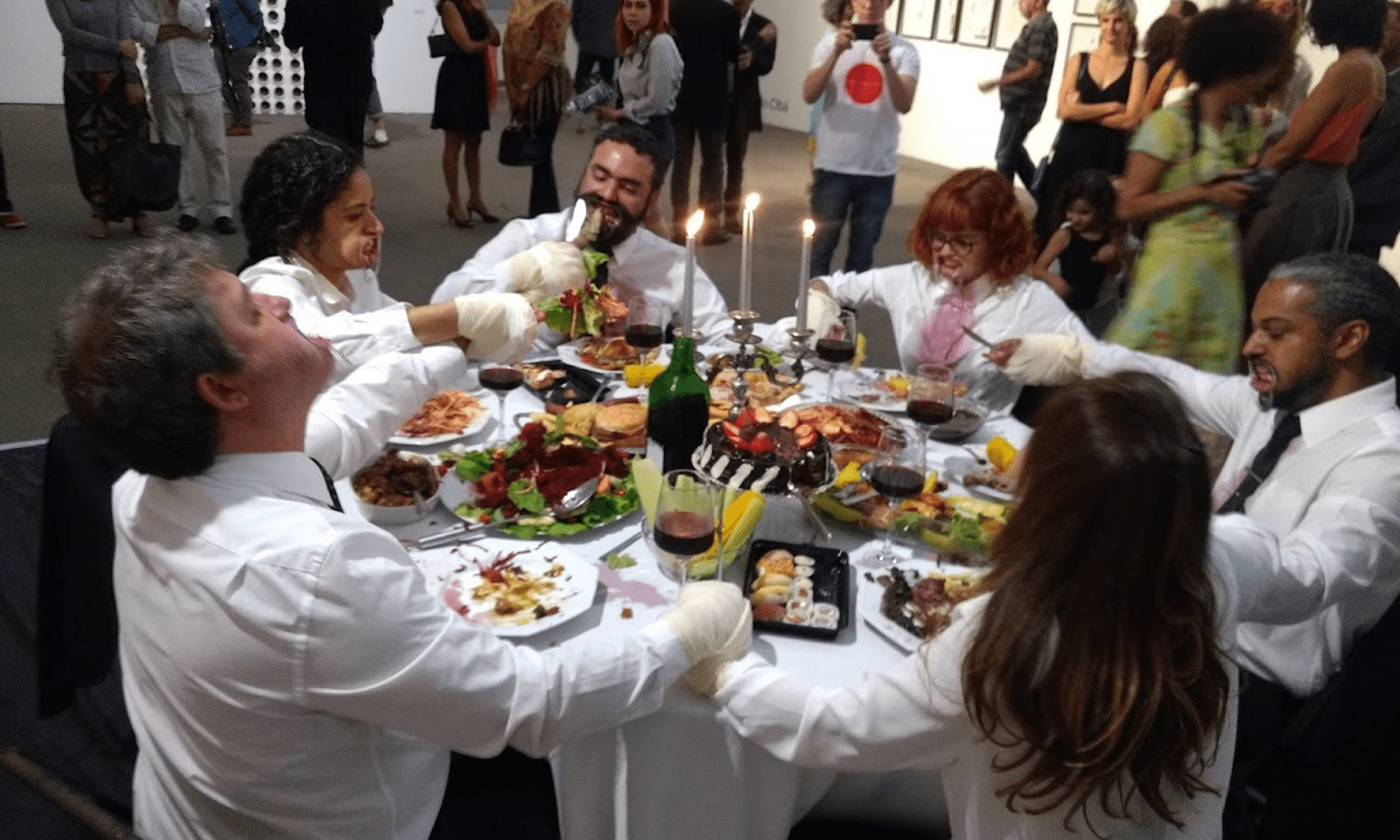
In this essay, our visiting researcher Felipe Ribeiro, challenges the tendency to view performance art primarily through its afterlivesโ€”documentation, restaging, or institutional preservationโ€”and instead advocates for recognizing its endured life as a continuous, open-ended process shaped by accumulation, incompletion, and relationality. Using the evolving project Common Ground as a case study, the author proposes performance as a living, transformative practice that resists fixation and invites ongoing negotiation, collective participation, and speculative engagement. Rather than treating performance as something that ends and is later remembered, the text calls for practices that sustain its vitality and presence across time and contexts.

Coalescing Practices in Conservation and Performance, by Nicole Savoy

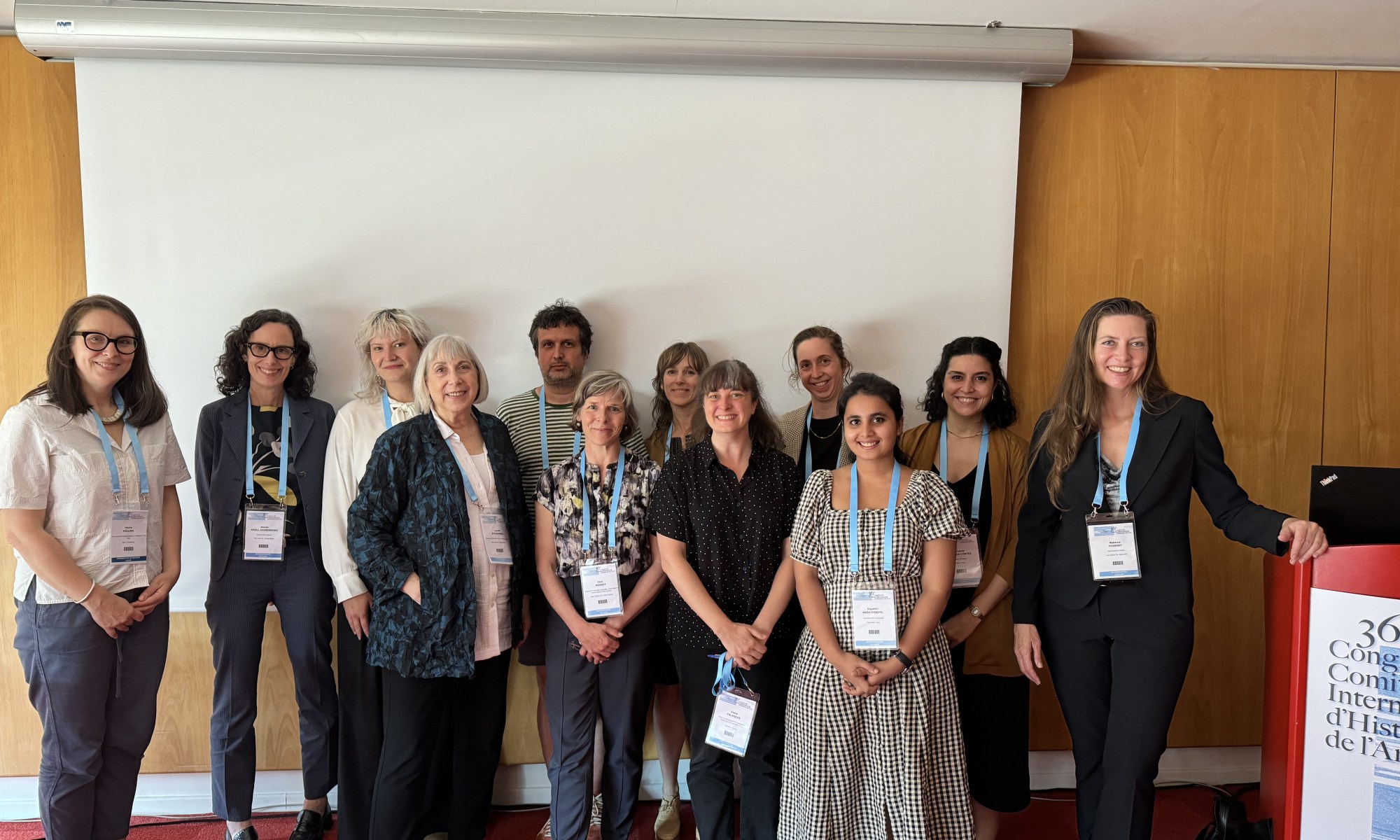
Once again, we invited Nicole Savoy, an alumna of the Hochschule der Kรผnste Bern, Conservation of Modern Materials and Media, to report on our research festival. Nicole offers a conservatorโ€™s perspective on the performance conservation methods explored during the event, both traditional and radical. See also Nicole's previous reports on our thirdย andย second colloquiumย as well as her earlier review of our conversation with Claire Bishop.

Conserving Performance by Performing Networks of Care, by Friederike Schรคfer

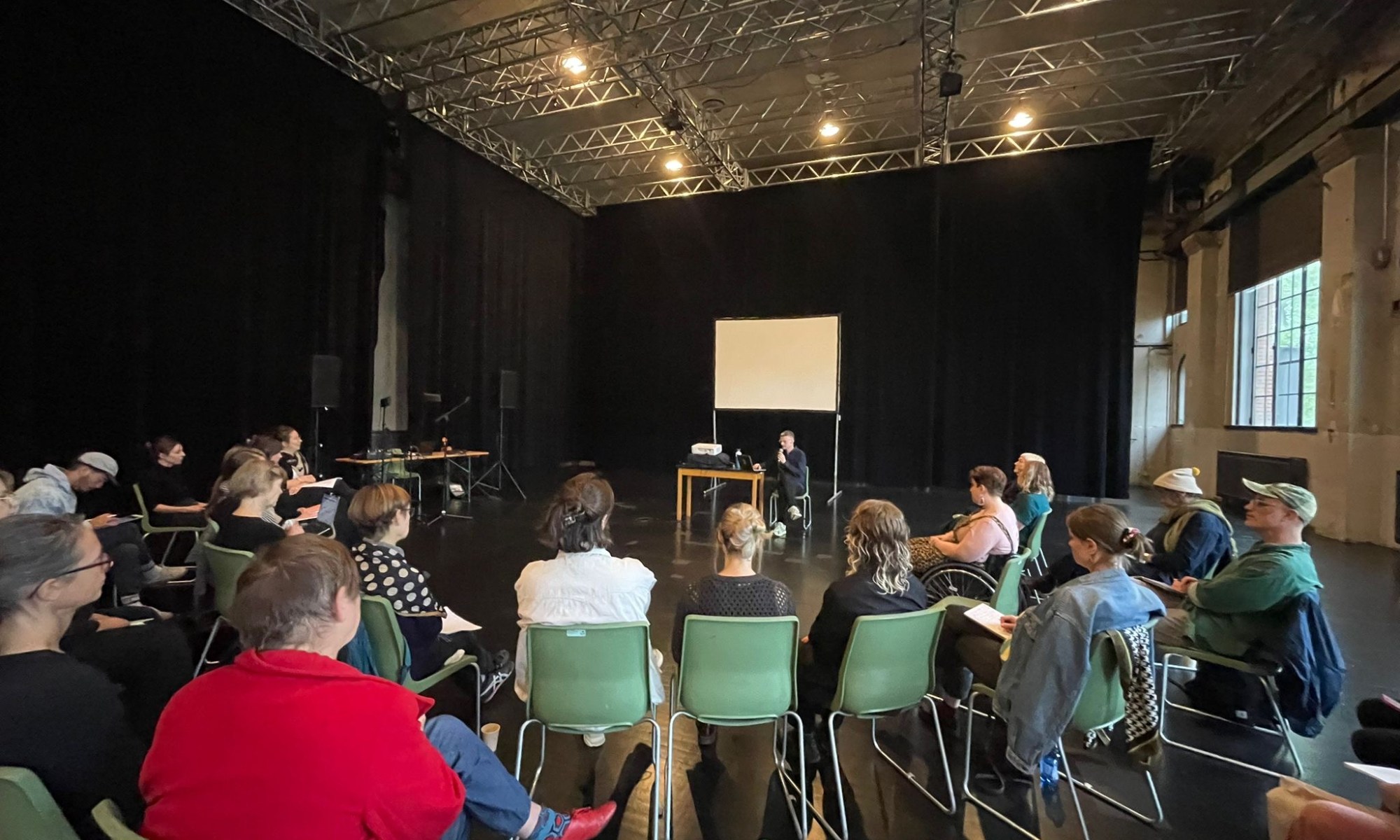
Art historian and postdoctoral researcher Friederike Schรคfer reflects on the fifth day of our research festival and exhibition, Conserving Performance, Performing Conservation (September 14โ€“29, 2024). This event invited discussions among artists, activists, conservators, and cultural workers across sectors, with the thematic focus "Collecting and Preserving as an Act of Care."

Collecting and Preserving Performance Art in Brazil: Establishing Protocols for Musealization in Public Museums, by Fernanda Werneck Cรดrtes and Anna Paula da Silva

The acquisition of performance art by museums in Brazil faces challenges due to its ephemeral nature, requiring living bodies, financial resources, and extensive documentation. To address this, the Musealization of Art (mARTE) research group has launched a project to create protocols that guide Brazilian public museums in acquiring and preserving performance art, focusing on cataloging, conservation, legal aspects, and activation history.

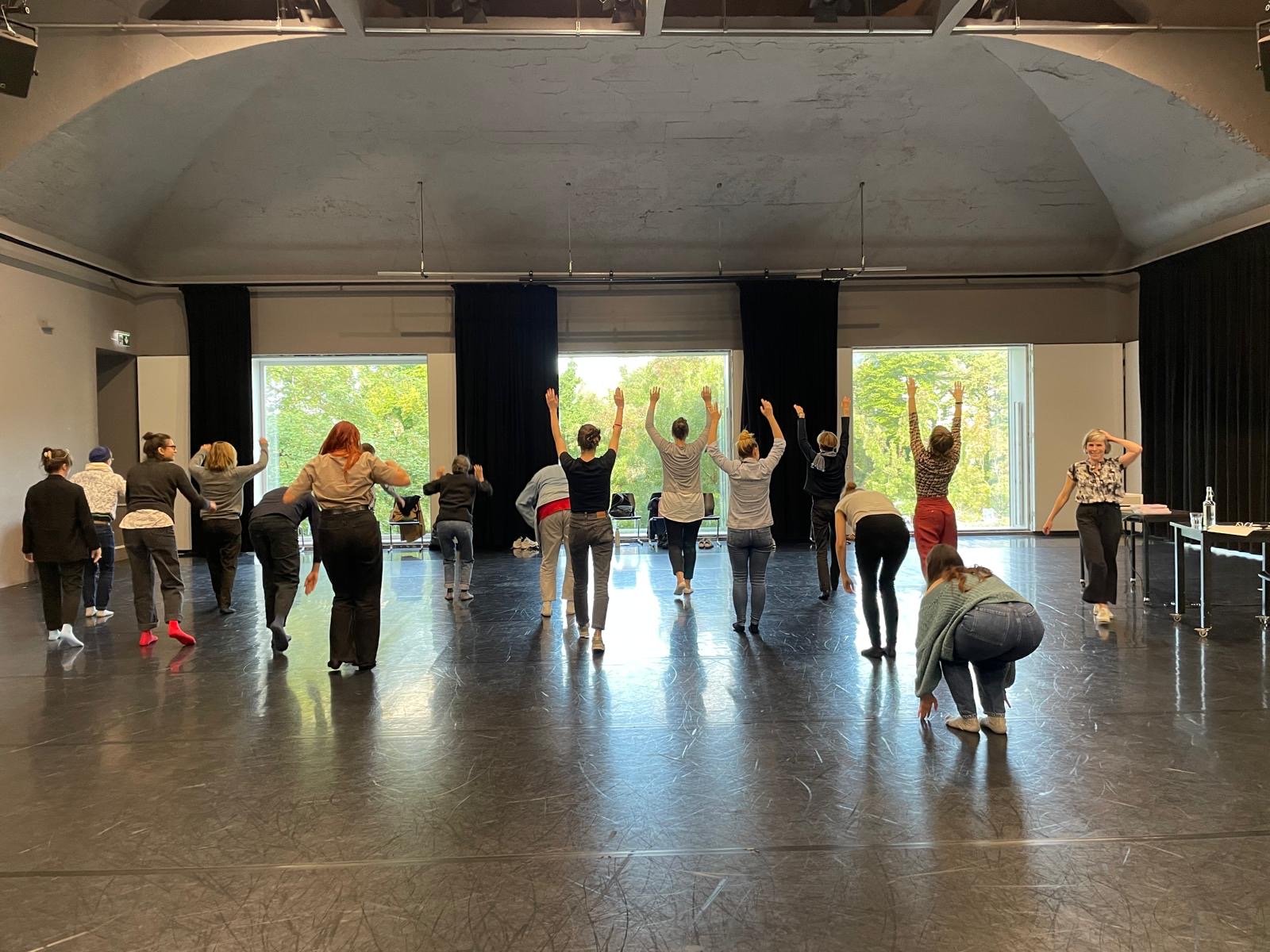
Sara Wookey: Dance is Hard to See – Transmitting Trio A (1966) and other Acts of Preservation

Sara Wookey, a dance artist, choreographer and scholar, reflects on Yvonne Rainerโ€™s work Trio A (1966) through the lens of bodily and verbal transmission, methods of remembering and material pedagogical tools. She also discusses her own work, Punt.Point, which entered the collection of the Van Abbemuseum in Eindhoven in 2018. In the pursuit of reactivating and preserving dance and expanded choreographic practices in the art museum, what might be missing in the performance archive and in the recording of the transmission processes?

OPEN ACCESS PUBLICATION GRANT FOR THE SECOND VOLUME OF OUR ANTHOLOGY!

Performance: The Ethics and the Politics of Conservation and Care, Vol. 2 We are happy to announce that the second volume of our anthology Performance: The Ethics and the Politics of Conservation and Care has received a book grant from the Swiss National Foundation! With the support of this grant, we will be able to …

Urmimala Sarkar Munsi: On Dance and Preservation in India

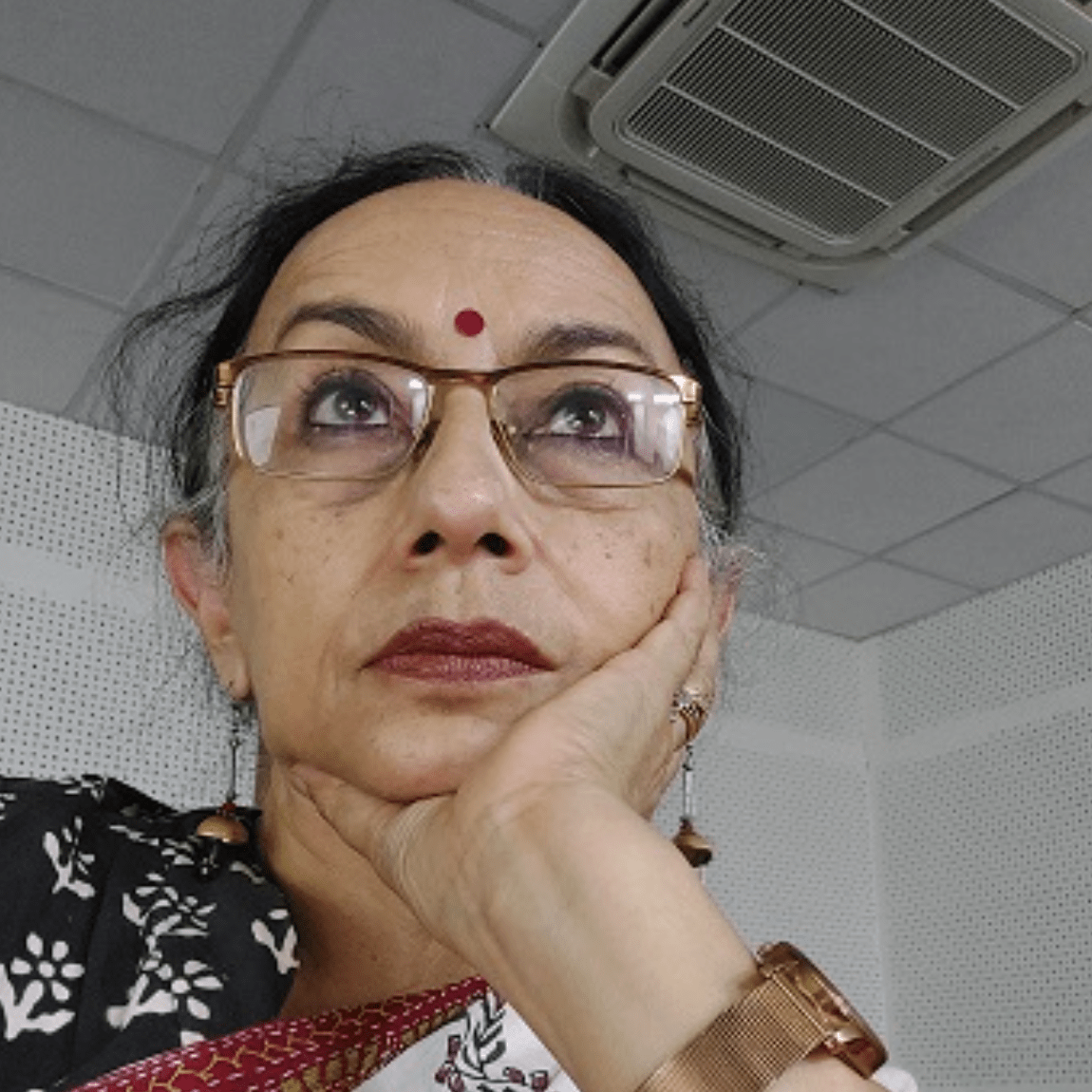
Curious about how performance and dance conservation is practiced in India and what can be learned from Indian dance research and dance as research, the team of Performance: Conservation, Materiality, Knowledge has recently met with Urmimala Sarkar Munsi, who is an expert in social anthropology, dance studies and choreography.