
Pip Laurenson explores the evolving role and authority of the artist, particularly how this role shifts after the artist’s death. Performance-based artworks have transformed the practices of museums professionals, compelling them to recognize and make more visible the networks of people and technologies outside the museum that are crucial for the continued performance of these works. However, as Laurenson demonstrates, despite this shift potentially decentering the artist, the artist remains persistently foregrounded for a range of practical, systemic, and political reasons. Laurenson examines the production of performance through the lens of Deleuze and Guattari’s concept of desire, which provides insight into how a performance emerges as a fluid assemblage of socio-material relations. By employing the historical concept of charisma, she further investigates how the artist’s role continues to influence the transmission of ideas central to the conservation of performance art.
Charisma and Desire: Pip Laurenson on the Conservation of Performance Art
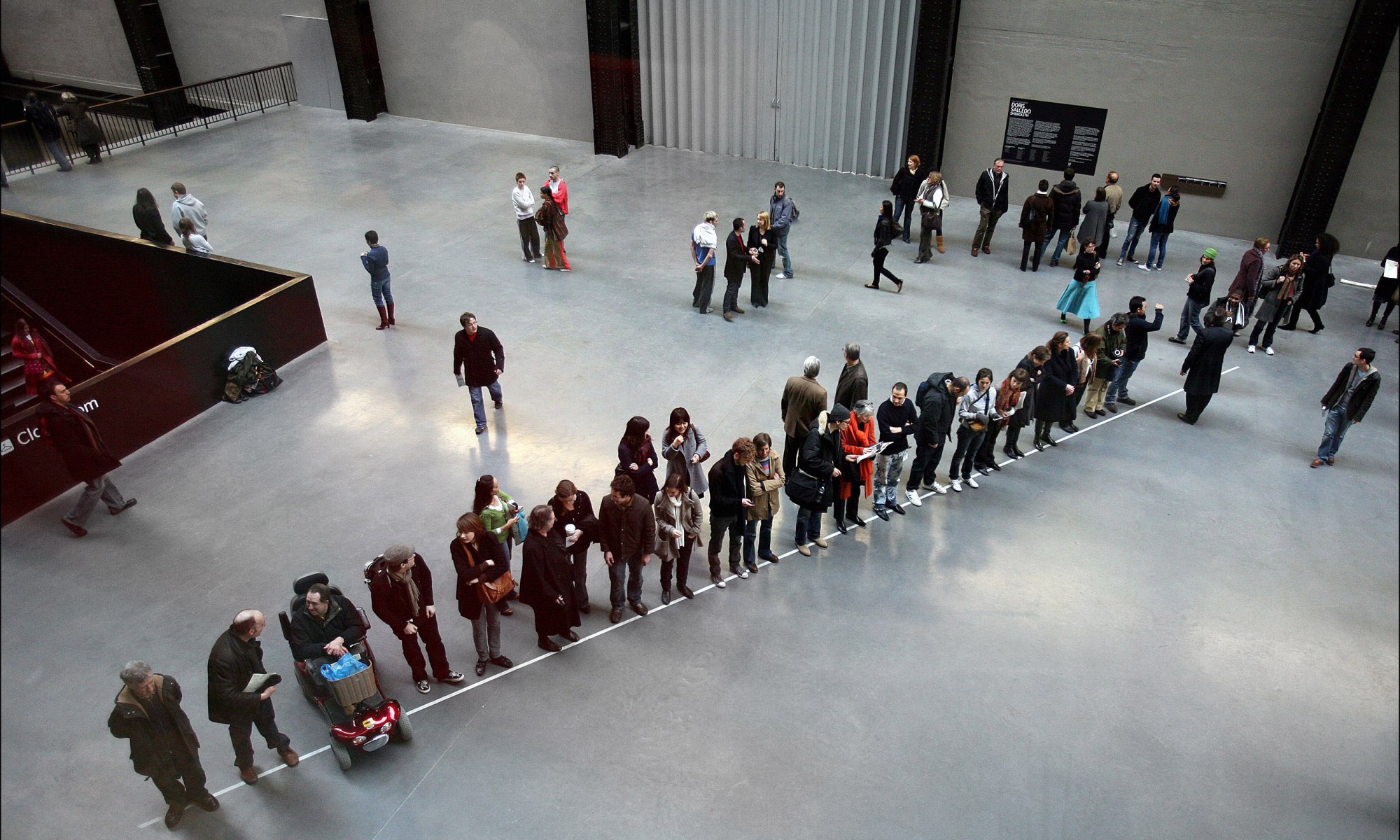
 Performance: Conservation, Materiality, Knowledge