
In this guest post, Nicole Savoy, a master’s student at the Bern Academy of the Arts studying the conservation of modern materials and media, reports on our third annual colloquium, “Performance Conservation: Artists Speak,” and discusses the different forms of documentation – from video to scent to embodied archive – used by the speakers. Nicole has also provided reports for our second colloquium and our conversation with Claire Bishop.
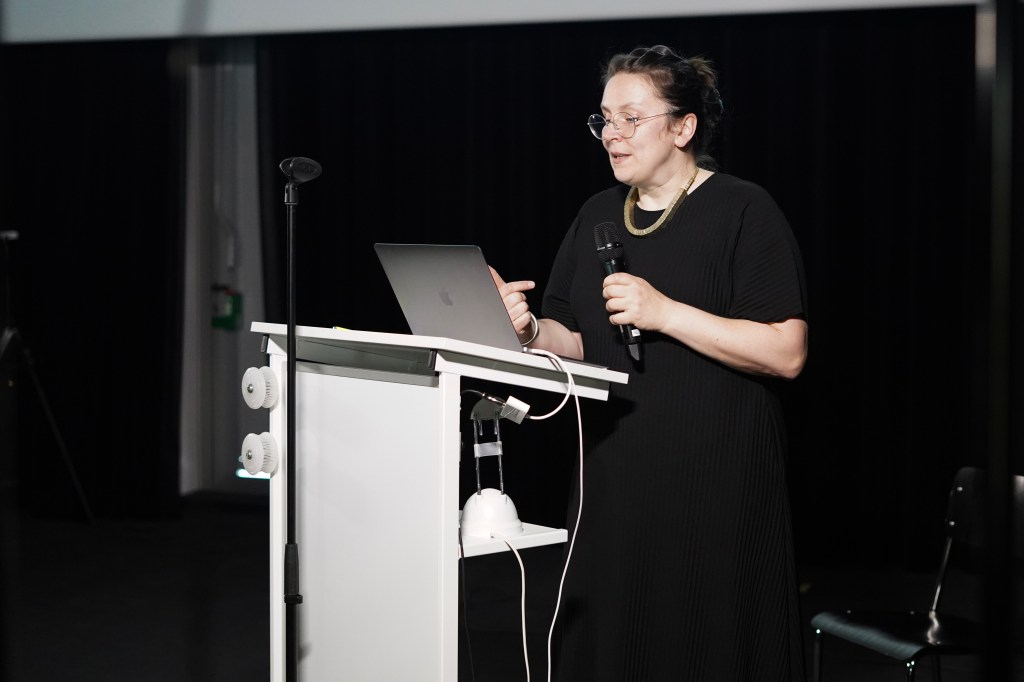
Performance Conservation: Artists Speak, the 3rd and final colloquium organized by the Performance: Conservation, Materiality, Knowledge team, brought together seven artists with a wide range of backgrounds and practices to share how performance plays a unique role in their work. In a conversation following the talks, the artists discussed whether performance art can and should be conserved – and if so, how?
While emphasizing the multiplicity of the field of performance art, the talks also revealed a common archival thread running through each of the artists’ practices, which, owing to the diversity of the bodies of work presented, takes on a variety of different forms. For most performers, video documentation serves simultaneously as presentation and preservation material. Other archival media include audience and participants’ shared experiences, instructions for the care of artworks, written texts, online content, capturing scents, and reperformance.
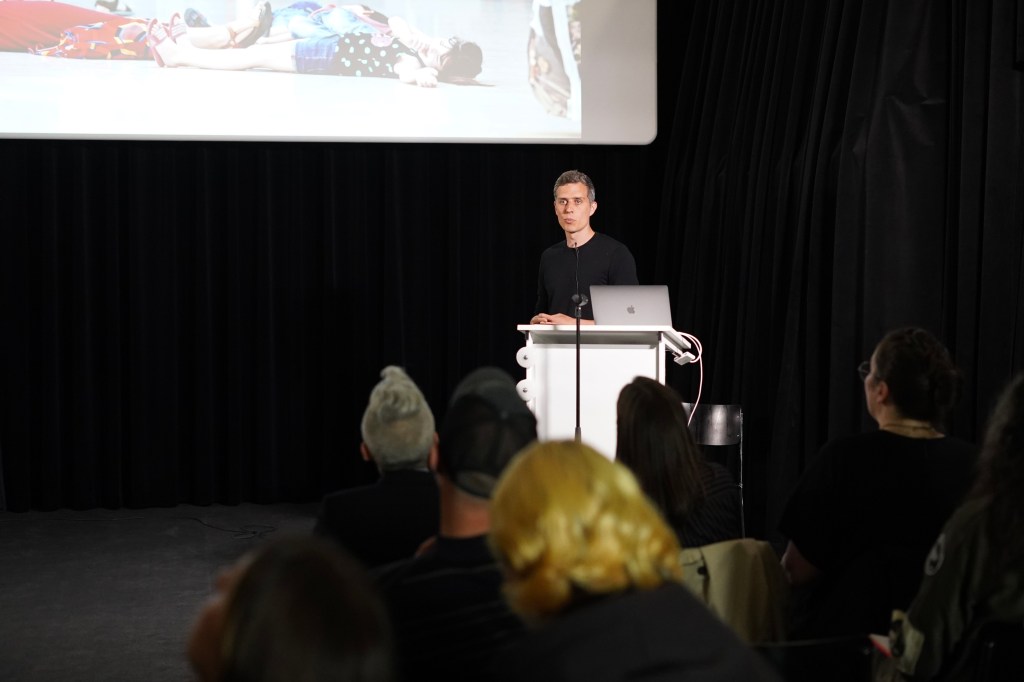
Christian Falsnaes uses performance as a tool to activate audiences into collaboration, in turn using the audience as material. The participants’ shared experiences transform into collective memories and stories. Falsnaes works closely with institutions, providing detailed ongoing care instructions for his performances, outlining what aspects can and cannot be changed in further iterations. He posits that museums and institutions have the necessary resources to provide spaces for the social rituals of our time, and it is up to artists to fill these spaces with relevant rituals.
During the Covid pandemic lockdown, when institutions were closed and performing in public was not permitted, Israeli choreographer Ido Feder curated an online zoom exhibition, Mythos of Company, of artist-led group performances for Diver Festival 2020. The project took advantage of a law that allowed gatherings if the purpose was to create digital content for the public. The performances occurred in closed museums, greenhouses, planetariums, and the streets of Jerusalem during demonstrations. The website, including videos and texts, currently exists as documentation of the exhibition.
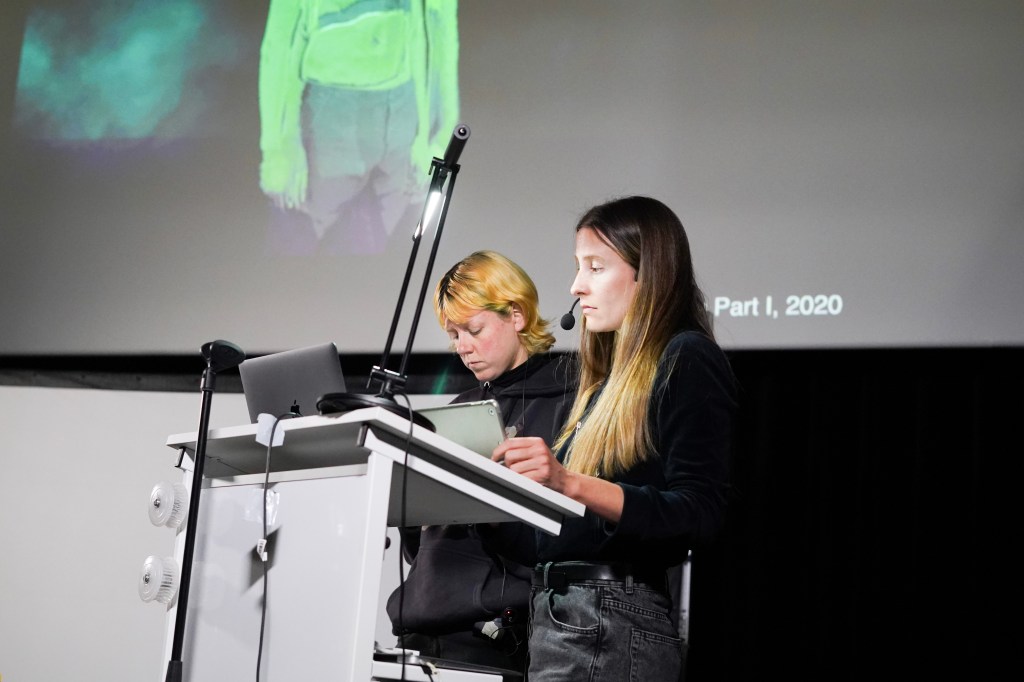
The duo Dorota Gawęda and Eglė Kulbokaitė, whose multi-media works center around research and documentation, developed an ingenious way to document ephemeral features of their work. They collaborated with chemists from the fragrance producer International Flavors & Fragrances, Inc. (IFF) to capture scents from their performances, curating the choreographies and installations to direct the resulting odors. The fragrances were encapsulated in glass bottles as objects of their own and as olfactory documentation of the experience.
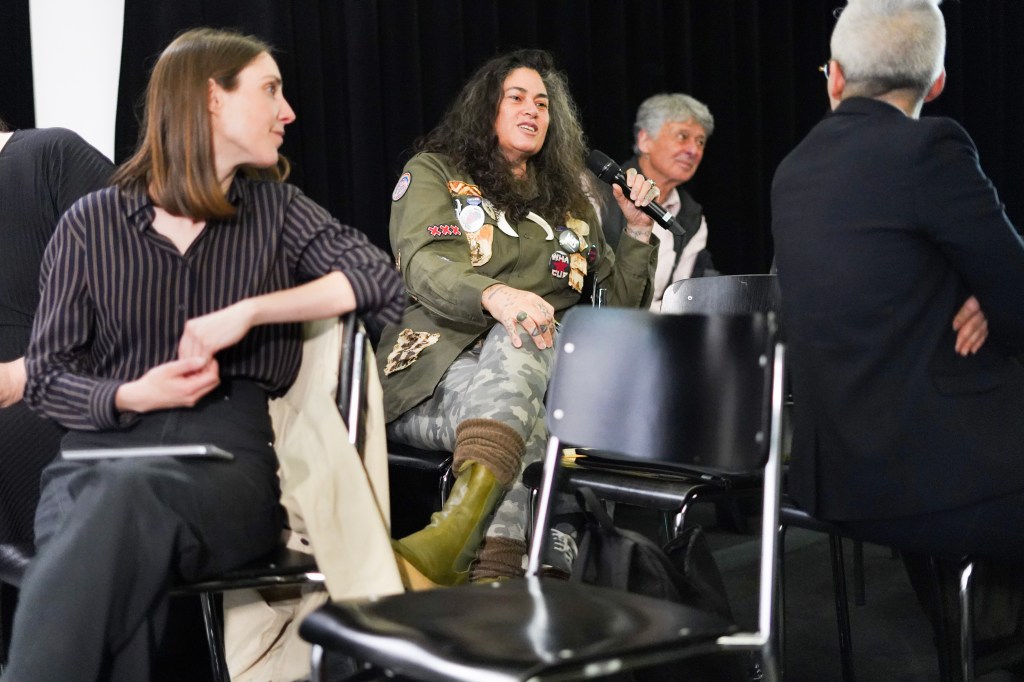
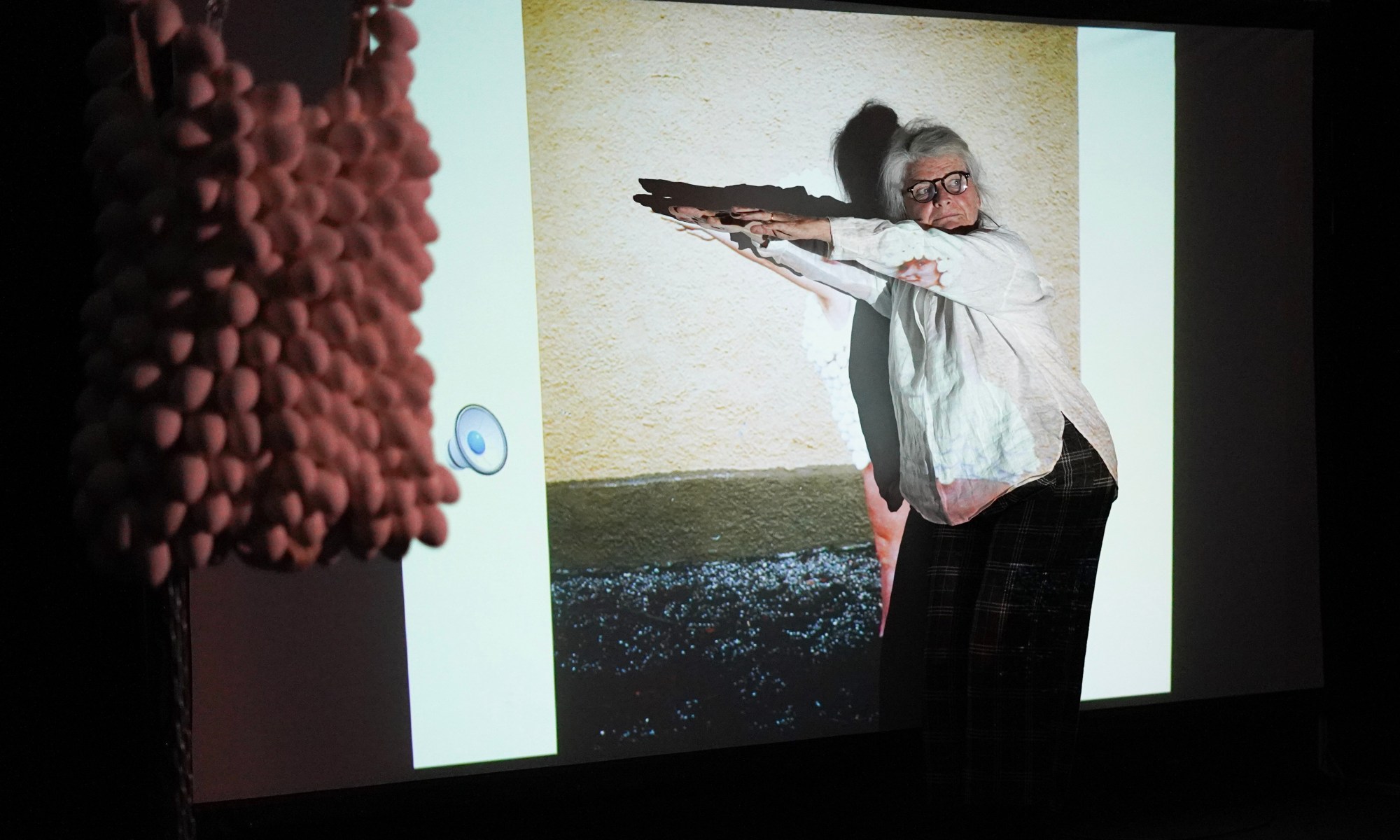
For Davide-Christelle Sanvee, Rosanna Raymond, and Pascale Grau, the body serves not only as a vehicle for performativity but also as a living archive. These artists practice performance and reperformance in a variety of ways to explore identity, culture, and socio-political issues. In La Performance des Performances, Sanvee becomes an embodied archive by reenacting the performances of other Swiss artists. By using her own body as a Swiss woman born in Togo, Sanvee adds new layers of context and meaning to the performances she reincarnates. Raymond calls on indigenous practices with her perspective as a contemporary New Zealand born Pacific Islander of mixed heritage, not by replicating but by embodying cultural histories and making them her own. Pascale Grau’s work focuses on the body as a repository for cultural memory and constructed identities. She sees performance and performativity as practices of remembering.
How performance is documented, archived, and preserved shapes how it is remembered. Archiving audio-visual media, digitizing and backing up data, recording oral testimonies, and preserving objects involved in performances deals with the objects of performance but not the performance itself. What does it mean to conserve performance beyond documentation?
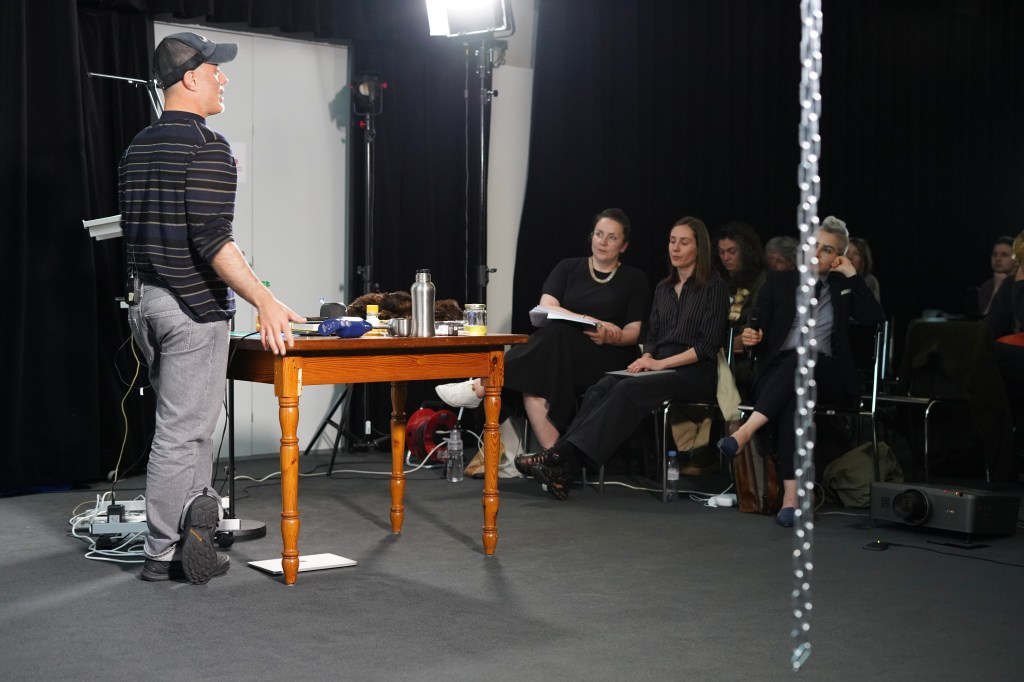
Ido Feder proposes that the ontological contradiction between performance and conservation is a “result of performance being a kind of conservation”. The idea of conserving performance, in a traditional sense, is antithetical. To preserve an object in its current state or to take measures to halt further alterations is to render it static and unchanging. Performance is an act of conservation. It conserves itself through repetition and transmission. This subjective approach of conserving through performance and storytelling, practiced for centuries by many indigenous cultures, recognizes change as an inevitable force and is aware of the impossibility of replication. It conserves through remembering, sharing, and reliving.
Perhaps a redefinition of the term conservation as it applies to performance, or the exploration of new terminology is needed. By taking inspiration from the creative ways in which performance artists implicitly and explicitly document and archive their work, building relationships with artists and performing communities, and taking on more subjective roles as collaborators, participants, storytellers, and performers themselves, conservators and memory institutions can develop new ways to care for these living ephemeral artworks. Rather than asking whether performance art can and should be conserved – and if so, how? – we can ask how it should be remembered – how can that memory be facilitated? And what is the institution’s role in the process?
Nicole Savoy is an MA candidate in the conservation of time-based media art at Bern Academy of the Arts. Nicole is from the United States, where she received an MFA in studio art. Her current area of focus is the conservation of performative and participatory properties of net art.
Featured image: Pascale Grau presents a new version of her performance Eisprung Revisited at the third annual colloquium.

