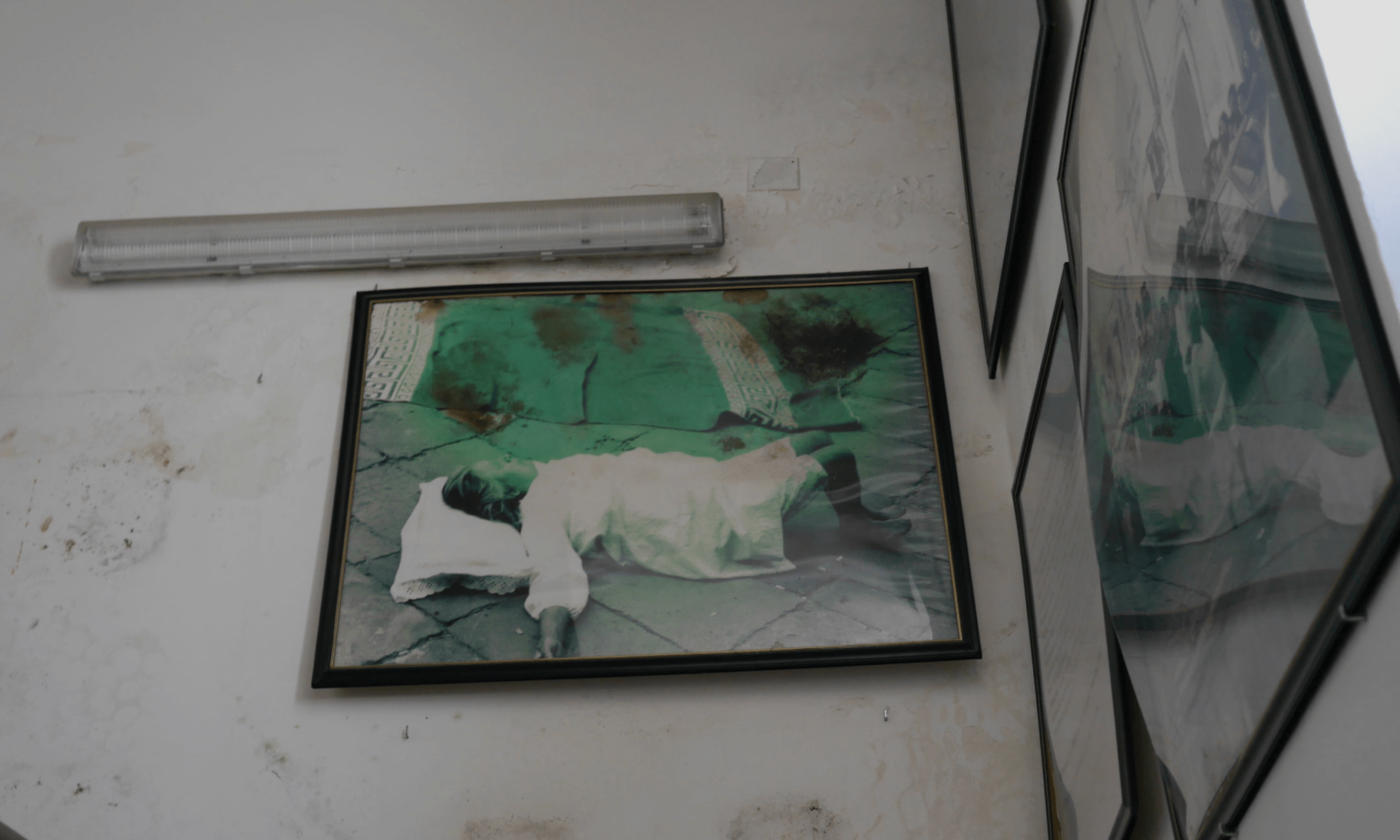
The idea of "anarchival materiality" โ which probes how rebellious and fugitive media might help reveal the histories and biases of anthropology โ seems a promising approach to the documentation of performance.
The conservability of performance: Two events and their afterlives
In recent weeks, our research project hosted its first two public events: the two-day colloquium โPerformance: The Ethics and the Politics of Care โ ย # 1. Mapping the Field,โ and โLiving Materials: Ethics and Principles for Embodied Stewardship,โ an in-depth conversation between Cori Olinghouse and Megan Metcalf. Julia reflects on what we learned from these events, and how that knowledge will endure and change in the future.
Contemplating digital ruins with Sabine Himmelsbach
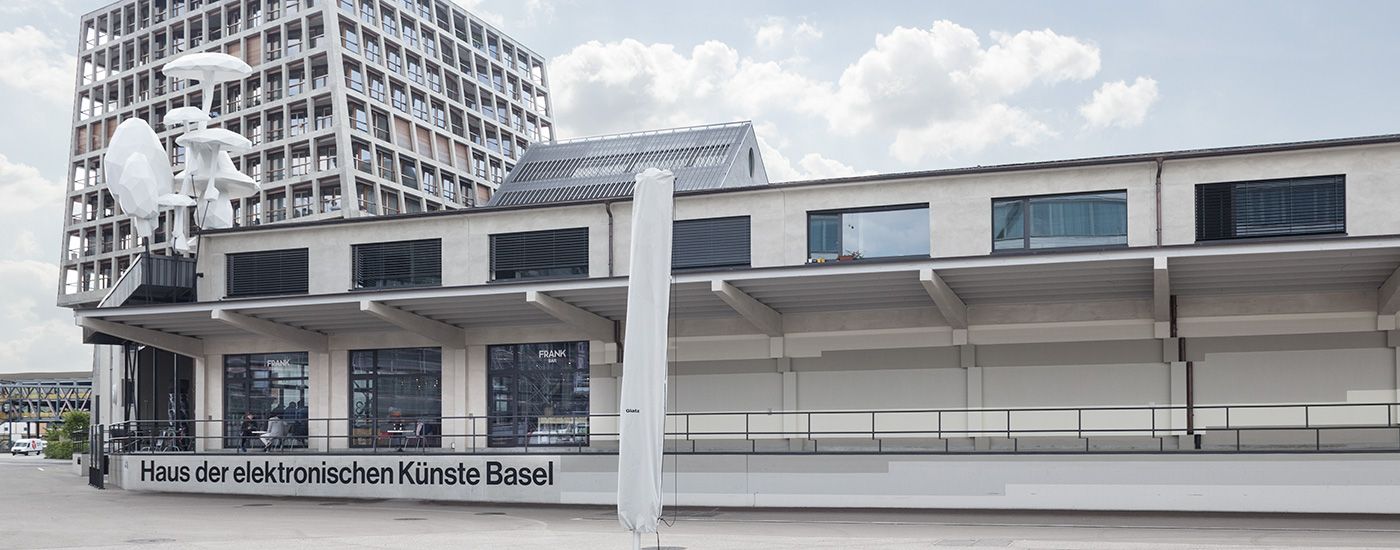
How to preserve complex digital artworks for the future? And what parallels can we draw between media art and performance art? Our recent conversation with Sabine Himmelsbach, director of the Haus der elektronischen Kรผnste Basel (HeK), has led us to explore the institutional afterlives of performative artworks in a broader sense.
Dislocated Forces: Introductory Notes on the Research Project “Performance : Conservation, Materiality, Knowledge”
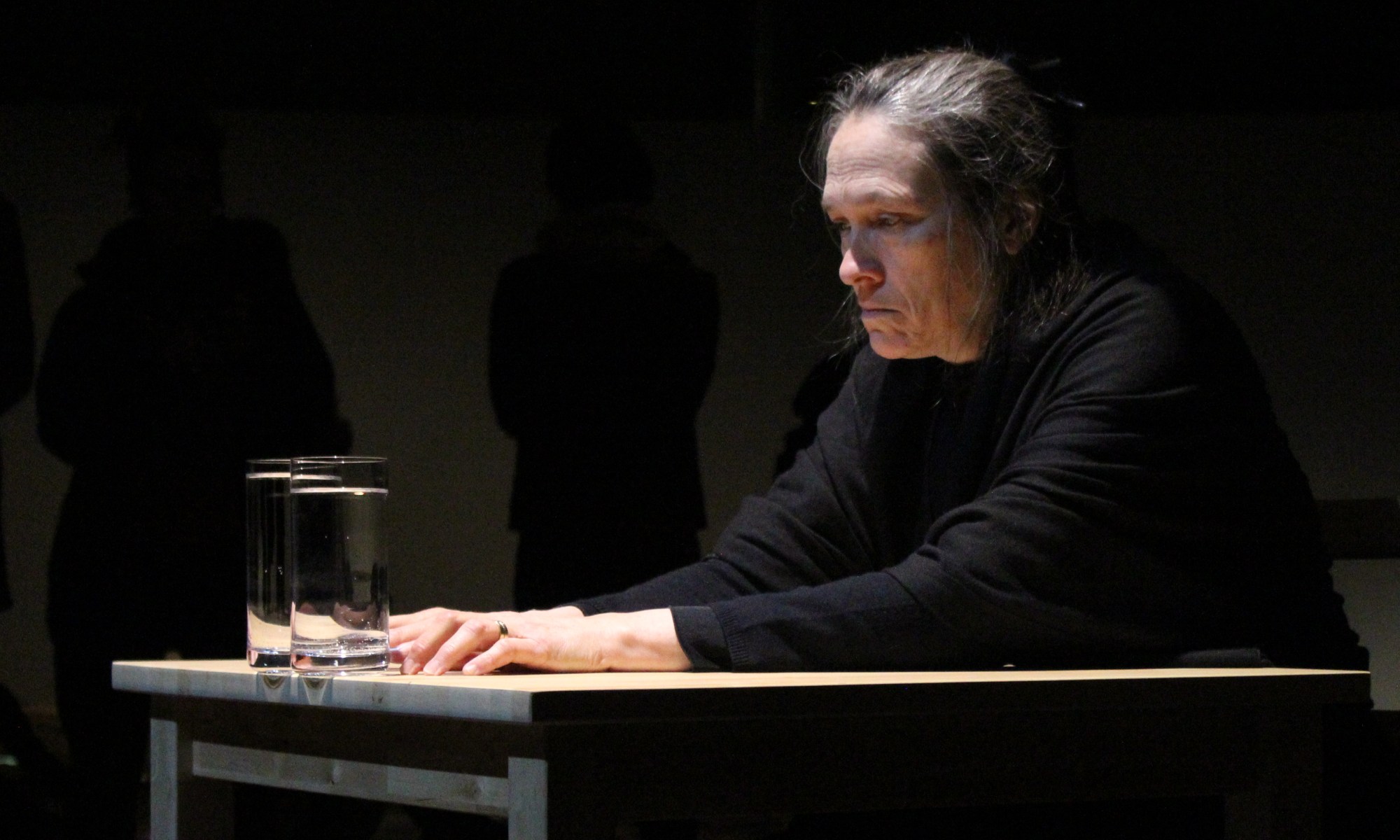
In a metaphorical sense, performance art might even take place in that blurred margin that the spotlight outlines on a black stage floor: a fraying, shimmering boundary, oscillating between the black box of the theater and the white cube of gallery and museum spaces. How might this liminal entity be conserved?
Ausgerenkte Krรคfte: Eingangsnotate zu dem Forschungsprojekt ยซPerformance : Conservation, Materiality, Knowledgeยป
Performance Art spielt sich vielleicht im metaphorischen Sinne an jenem unscharfen Rand ab, den der Kegelscheinwerfer auf dem schwarzen Bรผhnenboden zeichnet: Ein ausfransender, schillernder Rand โ im metaphorischen Sinne zwischen der ยซBlack Boxยป des Theaters und dem ยซWhite Cubeยป der Galerie- und Museumsrรคume oszillierend. Wie lรคsst das sich konservieren?
Michaela Schรคuble, with and without a camera
We anticipated a scintillating and productive discussion with anthropologist and filmmaker Michaela Schรคuble when we met with her in April. That assumption proved entirely correct โ but other assumptions we held about the contemporary practice of anthropology, and Schรคubleโs own approach to documentation, were turned inside-out. (Photograph by Anja Dreschke.)
Strength in numbers: a joint meeting with COLLECTING THE EPHEMERAL
Proof of the vitality and the growing interest for the performative arts in Switzerland, there are currently not one but two exciting SNSF research projects that are engaging with performance art from the perspective of its institutionalization.
Memory and/as preservation: a conversation with Rivka Eisner
As an art historian, I am used to thinking of memory as something that must be captured in another medium โ text, video, etc. โ in order to be preserved. But perhaps memory itself can be a form of preservation.
On the Continuity of Practice in Florian Feigl’s work
For Florian Feigl, performance is about practice, continuity, and processesโthings that lead to one another, things we do. Known forย 300ย (2009 โ ongoing), a series of performances built upon everyday activities that take place within a prescribed time interval of circa 5 minutes or 300 seconds, the series exemplifies the concept of continuity in his work. Born in the moment of crisis while feeling overwhelmed by domestic obligations, his concept for this series followed a necessity to allocate slots of time to work. One can always find five minutes for doing something.
Looking at how people do things: a conversation with folklorist Gabrielle A. Berlinger
Folklorists view all forms of creative expression as performative, as modes of communication that must be interpreted in context. Can their methods towards understanding and documenting intangible things inspire us in our approach to performance conservation?