
Here, you’ll find short essays and writings discussing our research activities, conversations with diverse specialists and artists, and other reflections on the nature of performance conservation. For announcements of events and calls for proposals, see our News page.
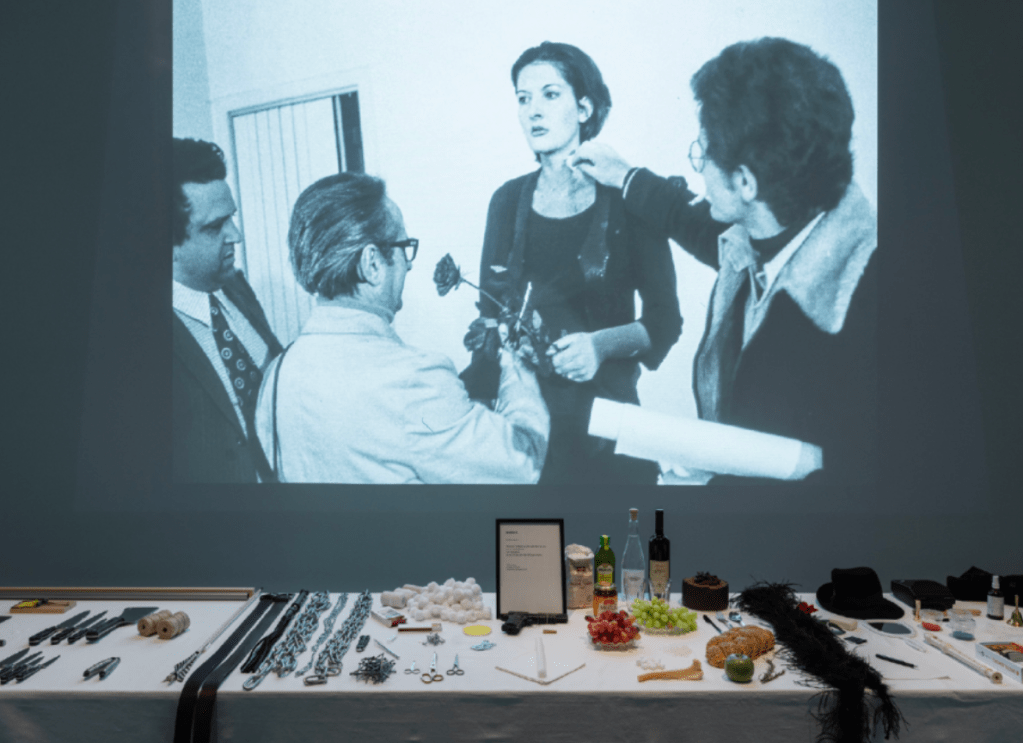
Acts and Artefacts: Performance Beyond Ephemerality, by Philip Auslander and Hanna B. Hölling
In this article, the performance scholar Philip Auslander and theorist Hanna B. Hölling argue that performance art cannot be conceived of or theorized apart from the object. An attempt to do so would strip a performance work of the larger context in which the action, whether bodily or machinic, is one element. Apart from ontological considerations, the history of the institutionalization of performance points to a rich material life of performance art, such as relics, residues and archival detritus.
March 11, 2026
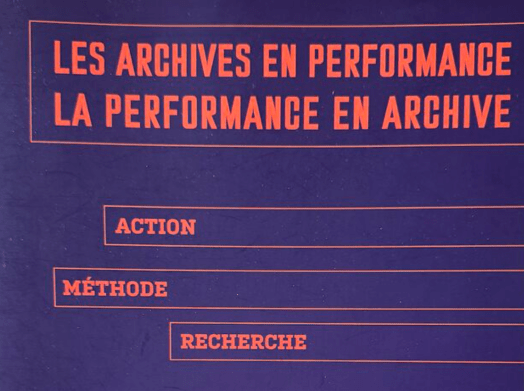
Pas, encore. Quand notre art se trouve entre nos mains – French translation of our essey is here!
We are excited to share that the French translation of Rebecca Schneider’s and my essay “Not, Yet: When Our Art Is in Our Hands, ” has been published in Les archives en performance, la performance en archive: Action, méthode, recherche, edited by Ross Luis and Anolga Rodionoff (Paris, Éditions Hermann, 2025). The essay originated from the first of our collected volumes Performance: The Ethics and the Politics of Conservation and Care (eds. Hölling, Pelta Feldman, Magnin).
December 2, 2025
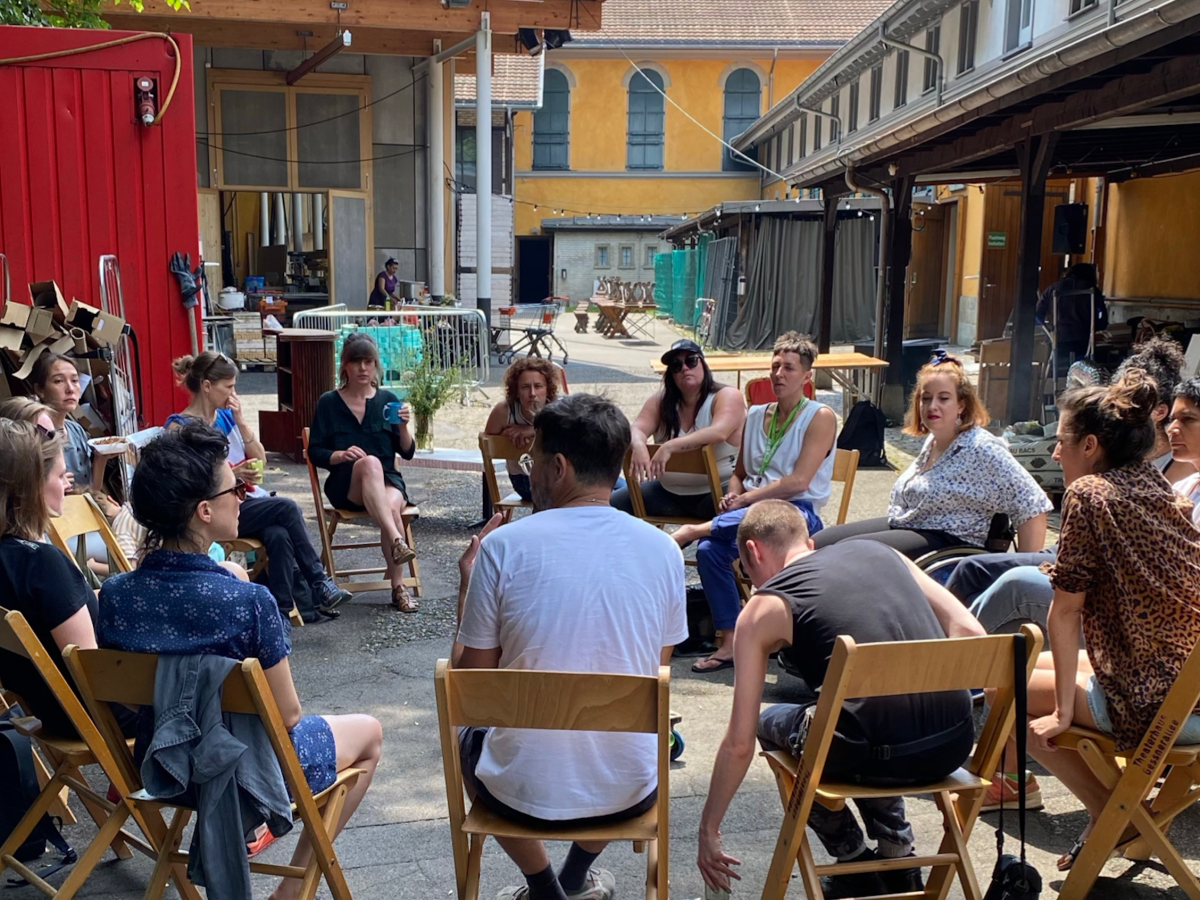
Which Life of an afterlife? By Felipe Ribeiro
In this essay, our visiting researcher Felipe Ribeiro, challenges the tendency to view performance art primarily through its afterlives—documentation, restaging, or institutional preservation—and instead advocates for recognizing its endured life as a continuous, open-ended process shaped by accumulation, incompletion, and relationality. Using the evolving project Common Ground as a case study, the author proposes performance…
Coalescing Practices in Conservation and Performance, by Nicole Savoy
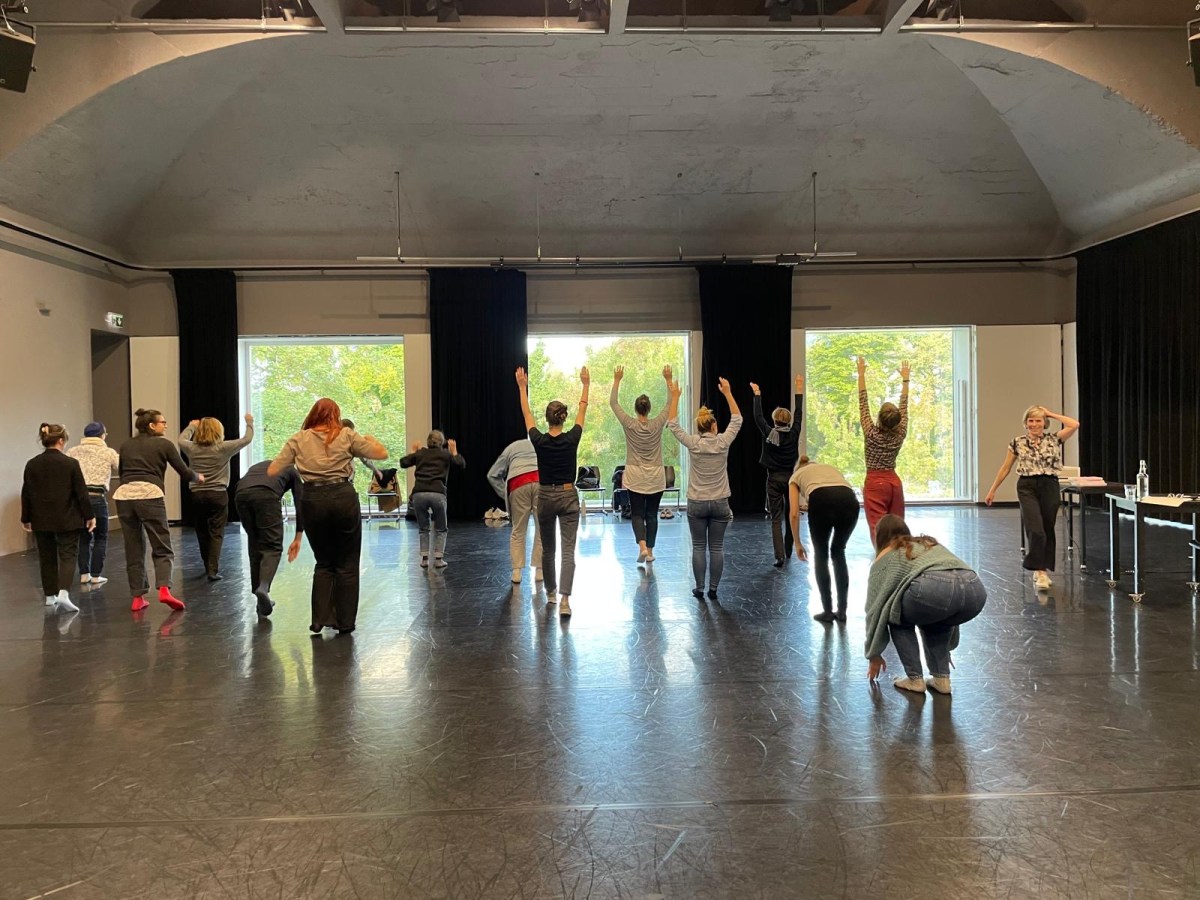
Once again, we invited Nicole Savoy, an alumna of the Hochschule der Künste Bern, Conservation of Modern Materials and Media, to report on our research festival. Nicole offers a conservator’s perspective on the performance conservation methods explored during the event, both traditional and radical. See also Nicole’s previous reports on our third and second colloquium as well as…
Conserving Performance by Performing Networks of Care, by Friederike Schäfer
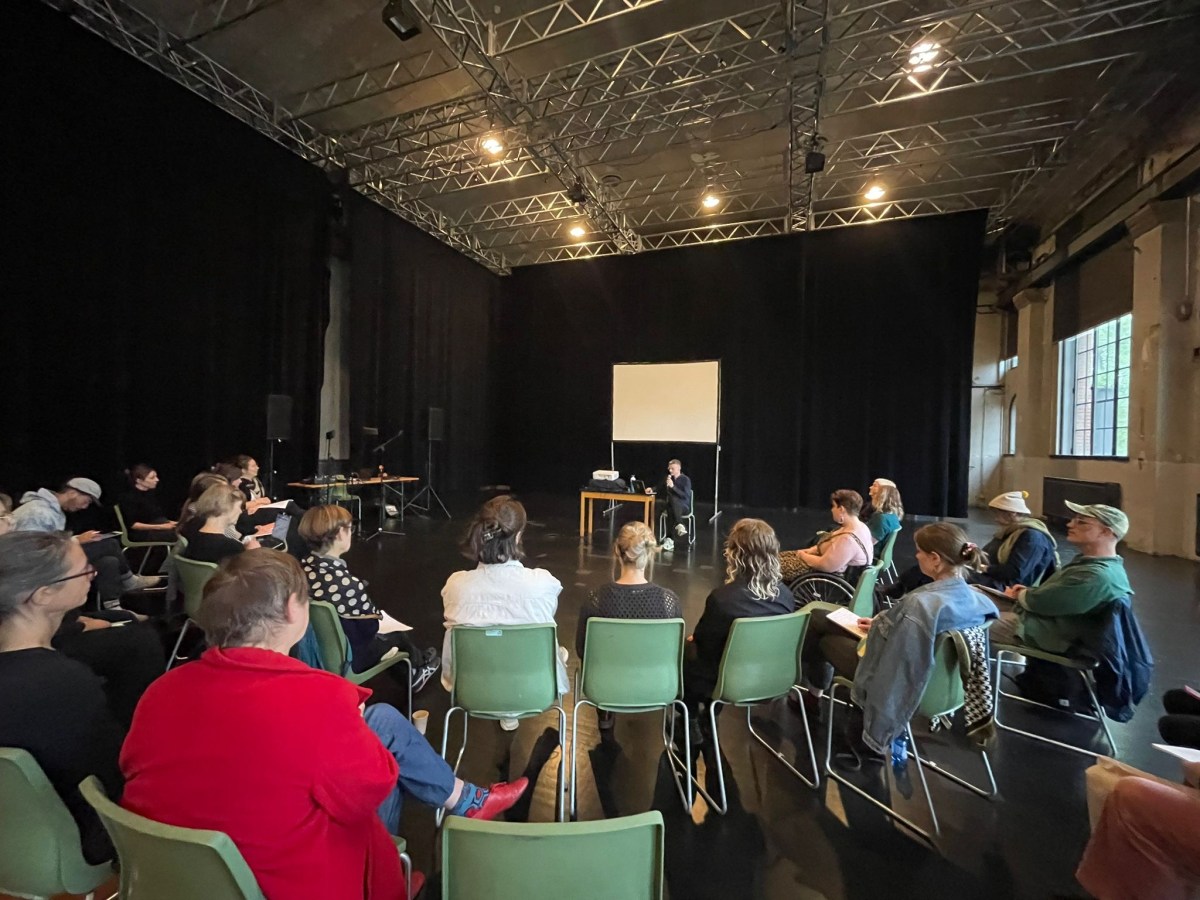
Art historian and postdoctoral researcher Friederike Schäfer reflects on the fifth day of our research festival and exhibition, Conserving Performance, Performing Conservation (September 14–29, 2024). This event invited discussions among artists, activists, conservators, and cultural workers across sectors, with the thematic focus “Collecting and Preserving as an Act of Care.”
Caring for the Living: The Conservation of Performance Art
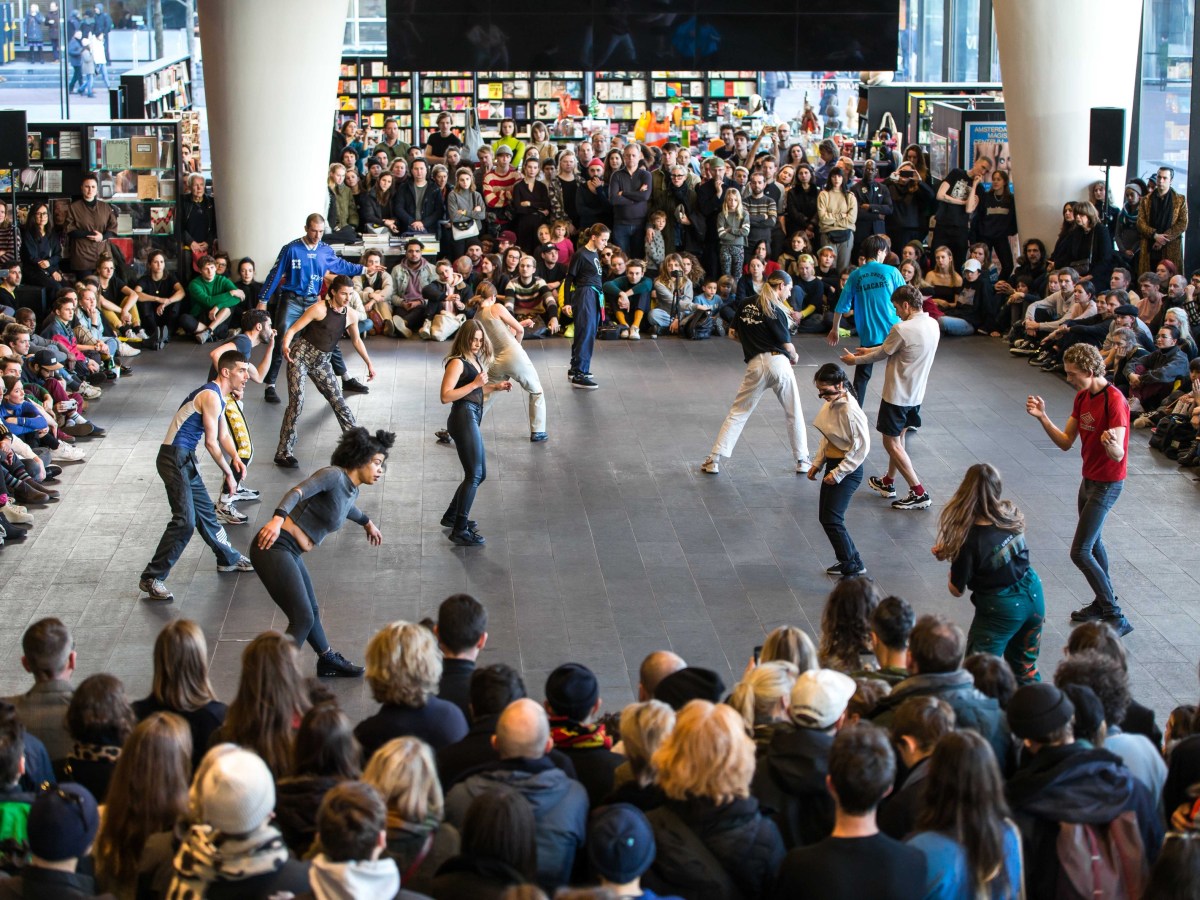
Emilie Magnin, a member of our research project and doctoral student at the University of Bern and Bern Academy of the Arts, has published an article that provides valuable insights into recent approaches to performance conservation. Below is an excerpt from the article, which is fully available as Open Access here.
Collecting and Preserving Performance Art in Brazil: Establishing Protocols for Musealization in Public Museums, by Fernanda Werneck Côrtes and Anna Paula da Silva
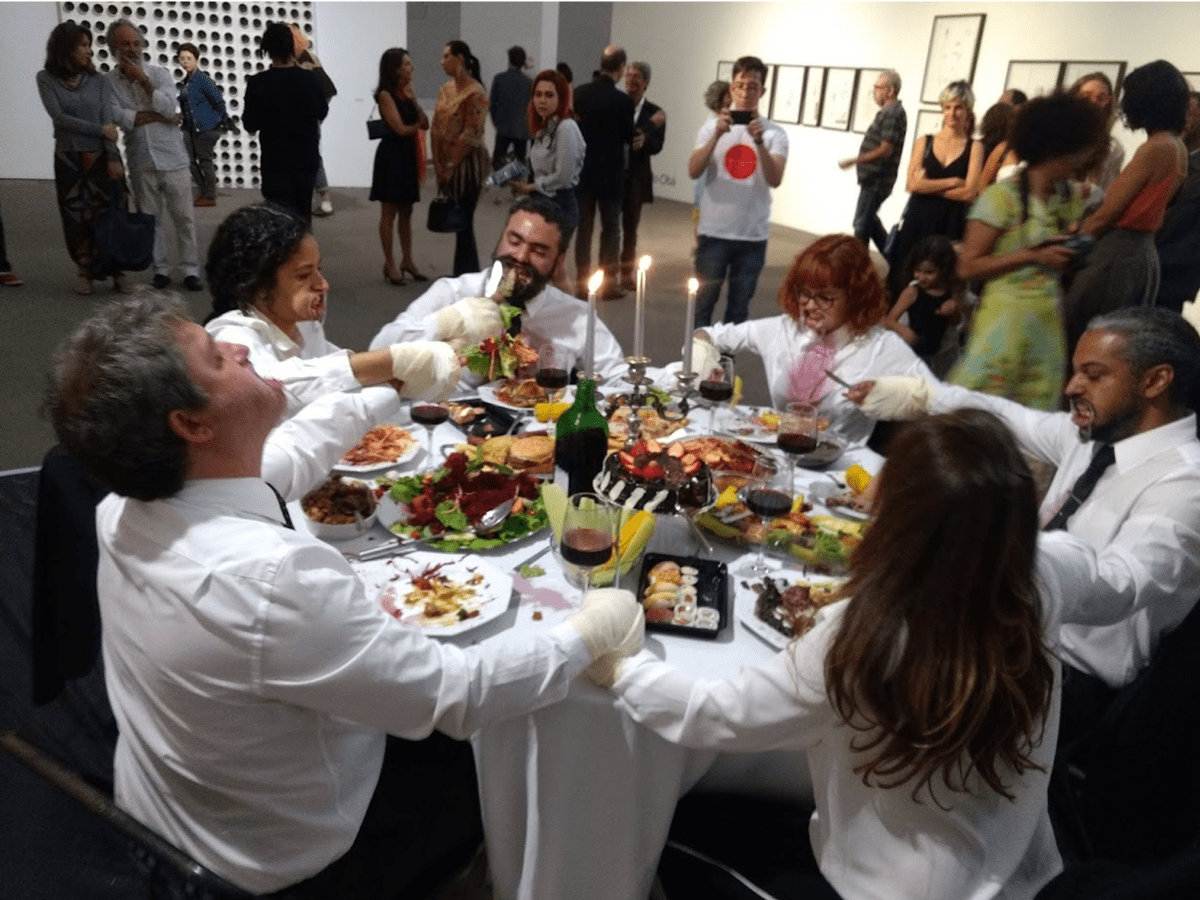
The acquisition of performance art by museums in Brazil faces challenges due to its ephemeral nature, requiring living bodies, financial resources, and extensive documentation. To address this, the Musealization of Art (mARTE) research group has launched a project to create protocols that guide Brazilian public museums in acquiring and preserving performance art, focusing on cataloging,…
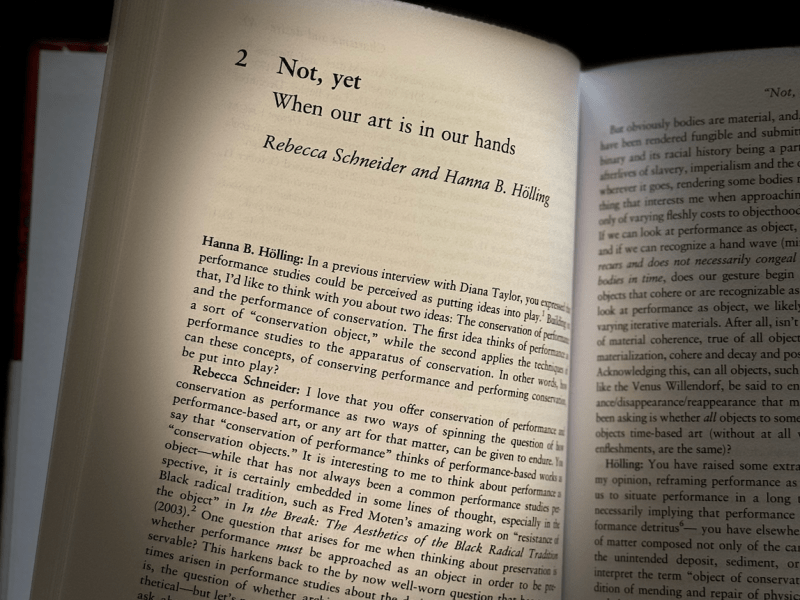
Not, Yet: When Our Art is in Our Hands – Rebecca Schneider and Hanna Hölling
When we ask about how to conserve performance-based art, what are we asking? If we think of performance as itself a mode of conservation, what are we thinking? What is at stake in conserving changeability? Variability by design is as old as storytelling and the “changing same,” to quote Amiri Baraka, is a powerful mode…
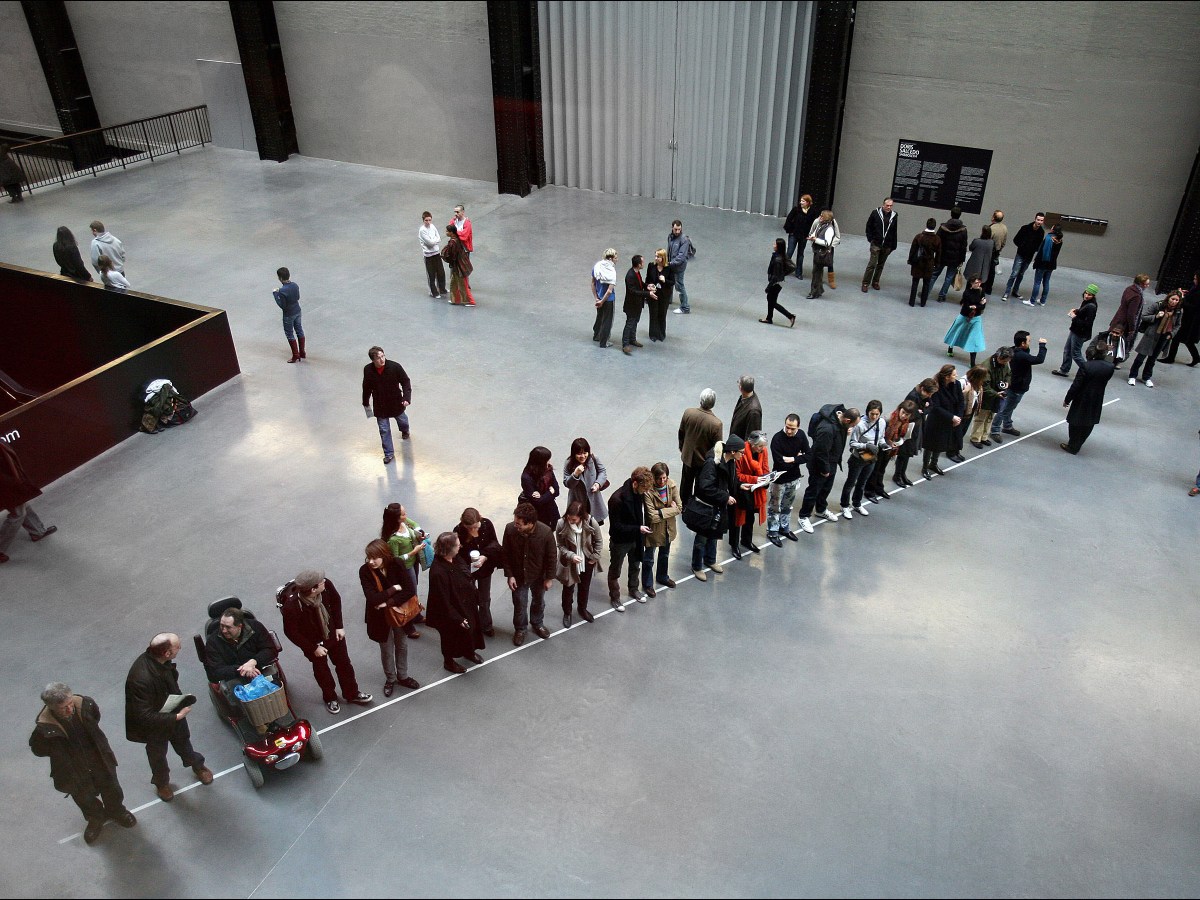
Charisma and Desire: Pip Laurenson on the Conservation of Performance Art
Pip Laurenson explores the evolving role and authority of the artist, particularly how this role shifts after the artist’s death. Performance-based artworks have transformed the practices of museums professionals, compelling them to recognize and make more visible the networks of people and technologies outside the museum that are crucial for the continued performance of these…
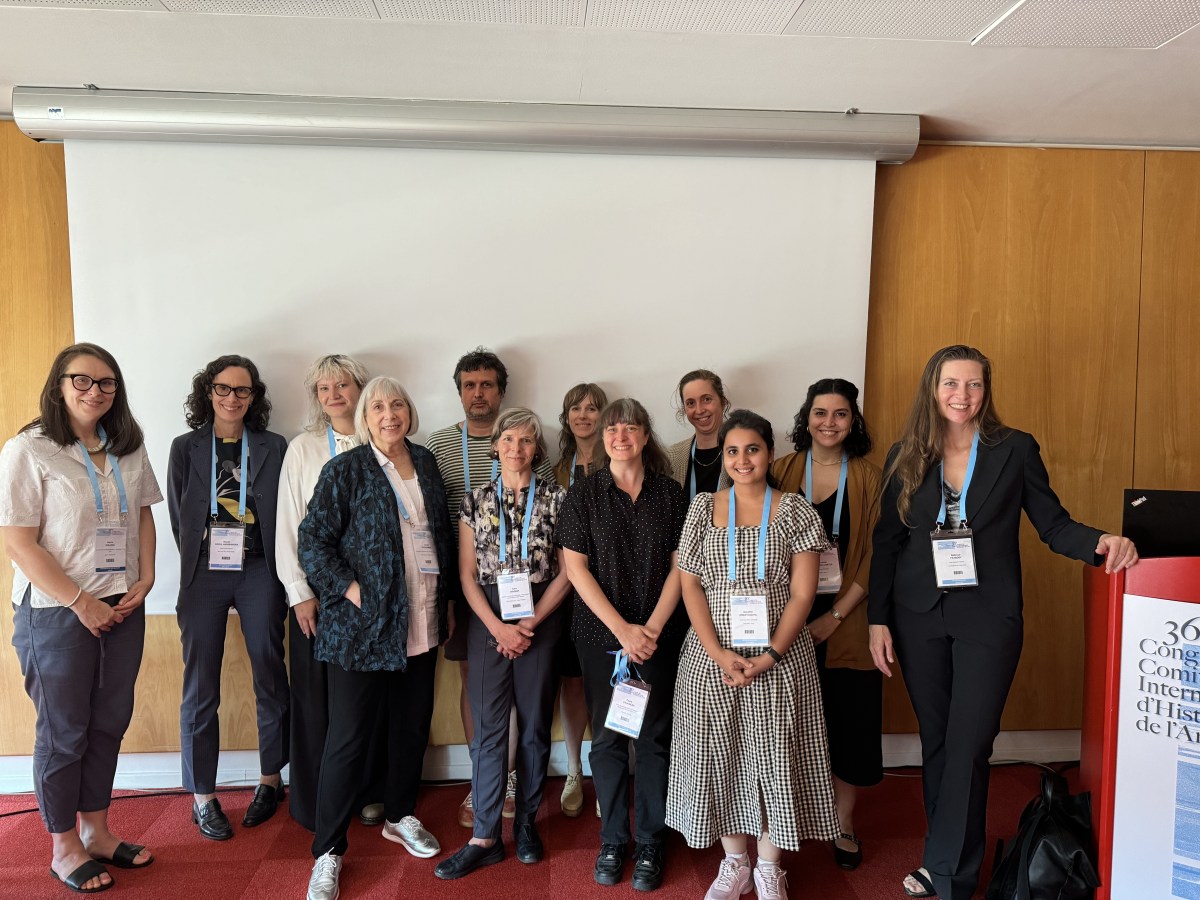
Expanding Conservation, Expanding Performance | Megan Metcalf’s Field report from 2024 Congrès International du Comité International d’Histoire de l’Art (CIHA) in Lyon
Our associated researcher, Megan Metcalf, is guest-reporting for “Performance: Conservation, Materiality, Knowledge” (PCMK) from the 2024 Congrès International du Comite International d’Histoire de l’art (CIHA) conference in Lyon, France.
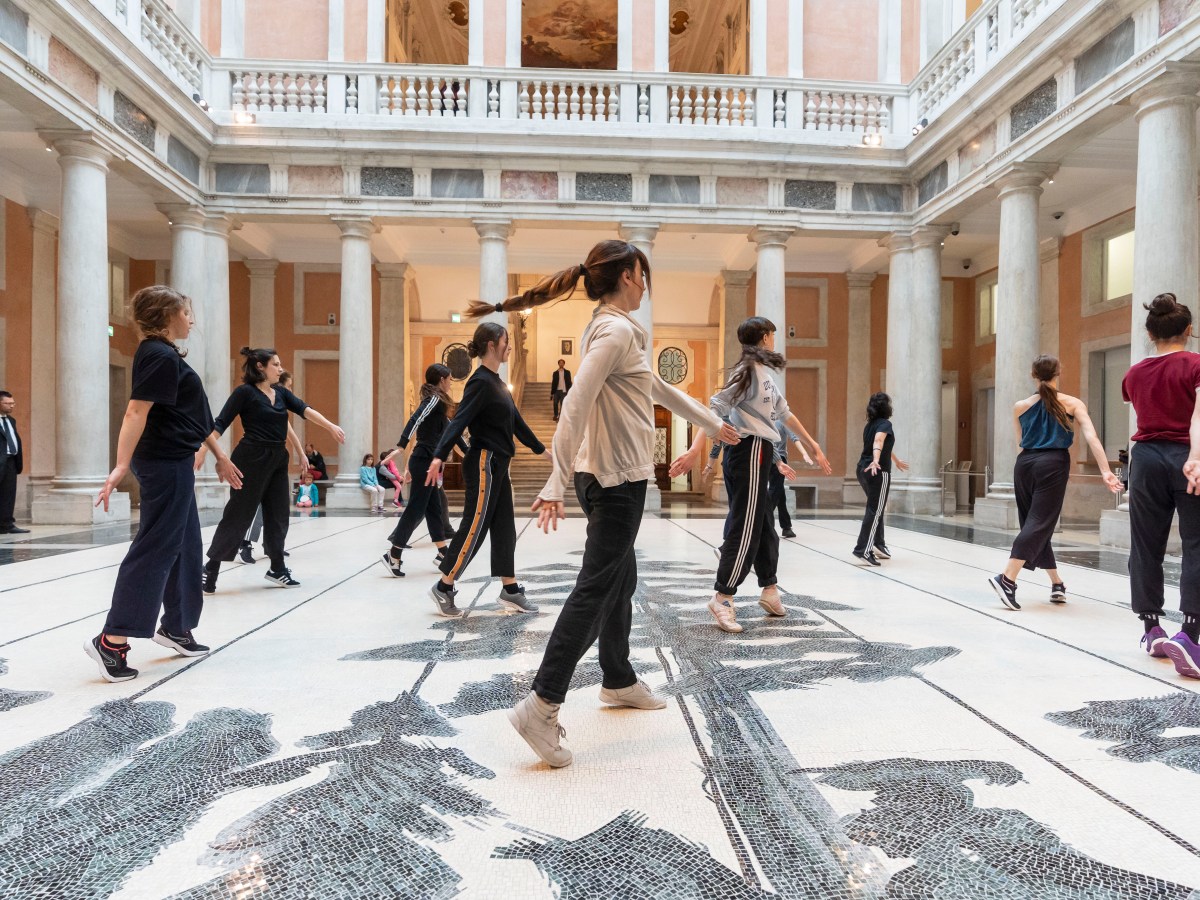
Sara Wookey: Dance is Hard to See – Transmitting Trio A (1966) and other Acts of Preservation
Sara Wookey, a dance artist, choreographer and scholar, reflects on Yvonne Rainer’s work Trio A (1966) through the lens of bodily and verbal transmission, methods of remembering and material pedagogical tools. She also discusses her own work, Punt.Point, which entered the collection of the Van Abbemuseum in Eindhoven in 2018. In the pursuit of reactivating…
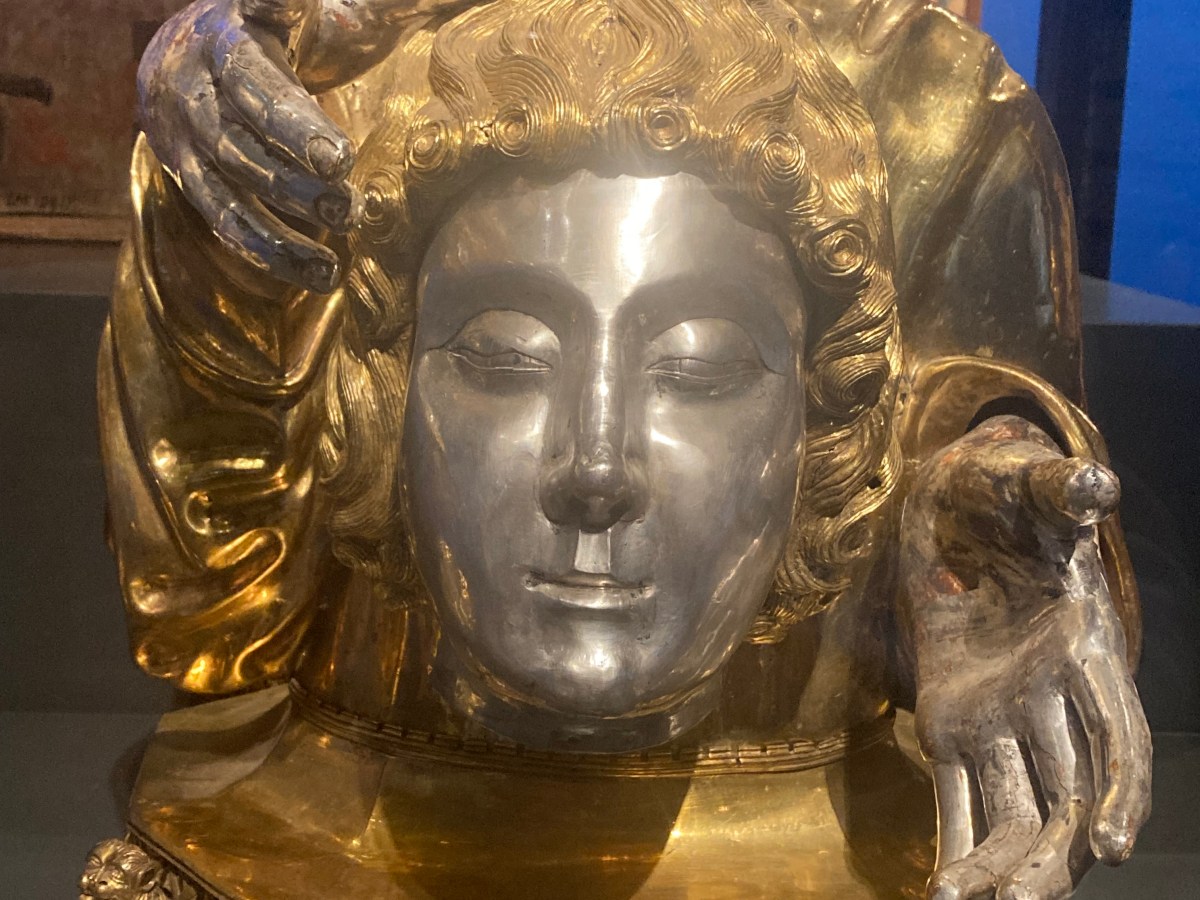
Thinking Performance Conservation Through the Prism of Relics and Icons
In this short essay, Andrej Mirčev, a recently joined postdoctoral fellow, reflects on relics and icons and discusses how these concepts can shed new light on performance conservation. Can they also contribute to expanding our understanding of the field.
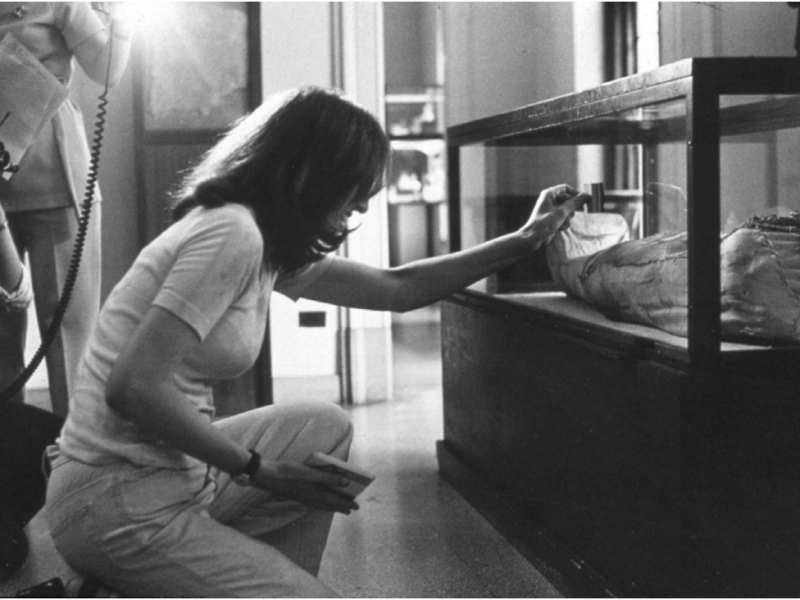
Conserving a Performance about Conservation: Karolina Wilczyńska on Care and Preservation in Mierle Laderman Ukeles’s Maintenance Art
In Chapter 12 of our recently published volume, Karolina Wilczyńska explores Mierle Laderman Ukeles’s Maintenance Art, contextualizing it within the notion of conservation.
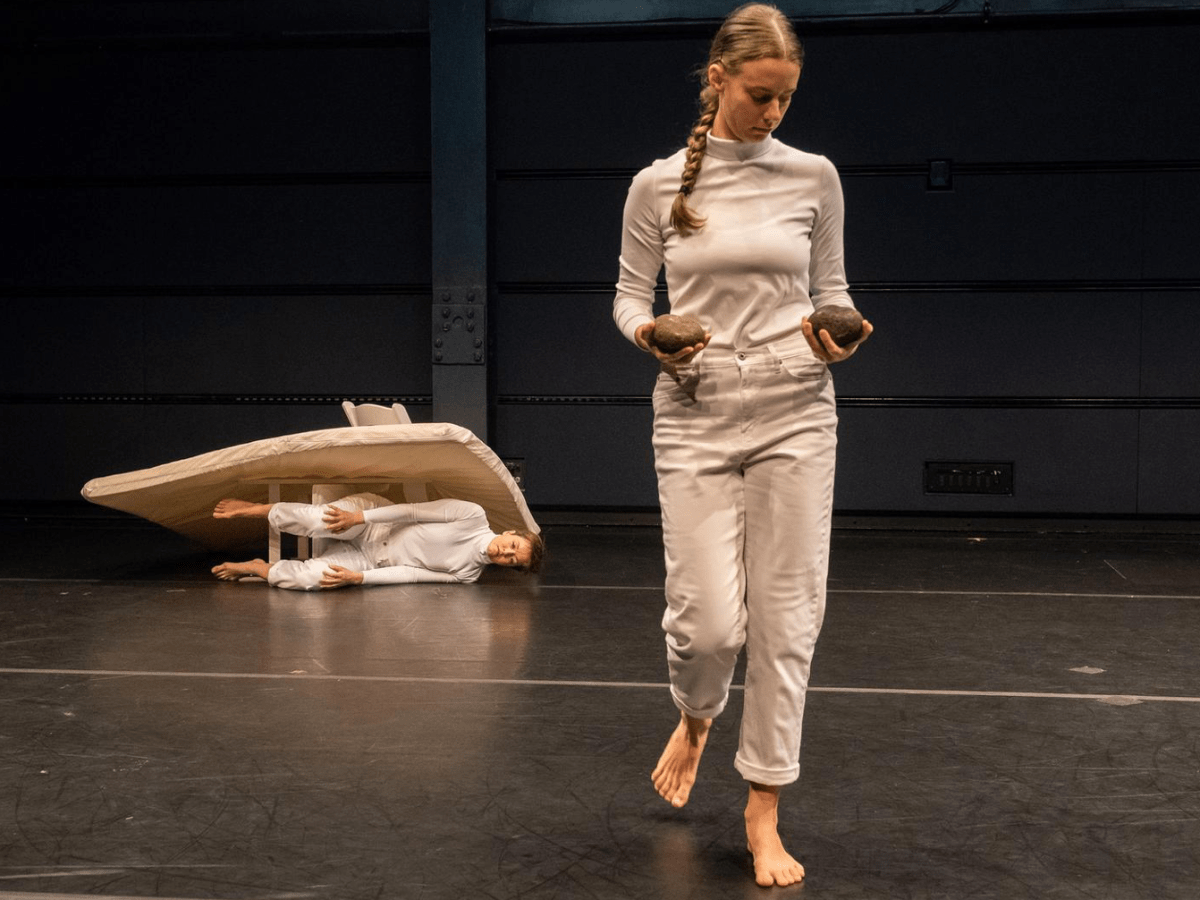
Living materials – Cori Olinghouse and Megan Metcalf on the ethics and principles for embodied stewardship
Artist and archivist Cori Olinghouse and art historian Megan Metcalf employ four illustrative examples to explore how an embodied approach to archives and acquisitions transforms traditional conservation paradigms. They critically examine the evolving vocabulary for the continuation of performance over the long term.
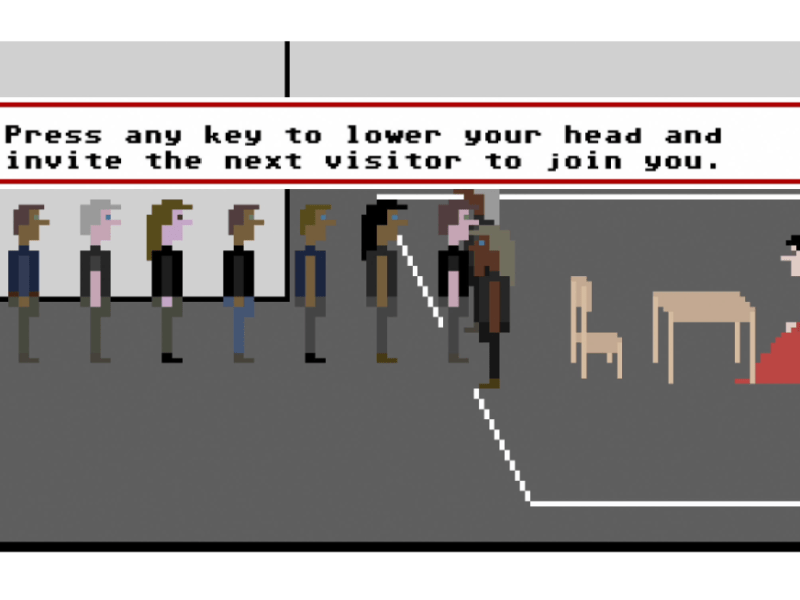
Reperformance, Reenactment, Simulation: Notes on The Conservation Of Performance Art by Jules Pelta Feldman
Pelta Feldman explores a novel perspective on preserving performance art by employing simulation. The article investigates how simulation effectively captures the historical context and experience of Marina Abramović’s works.
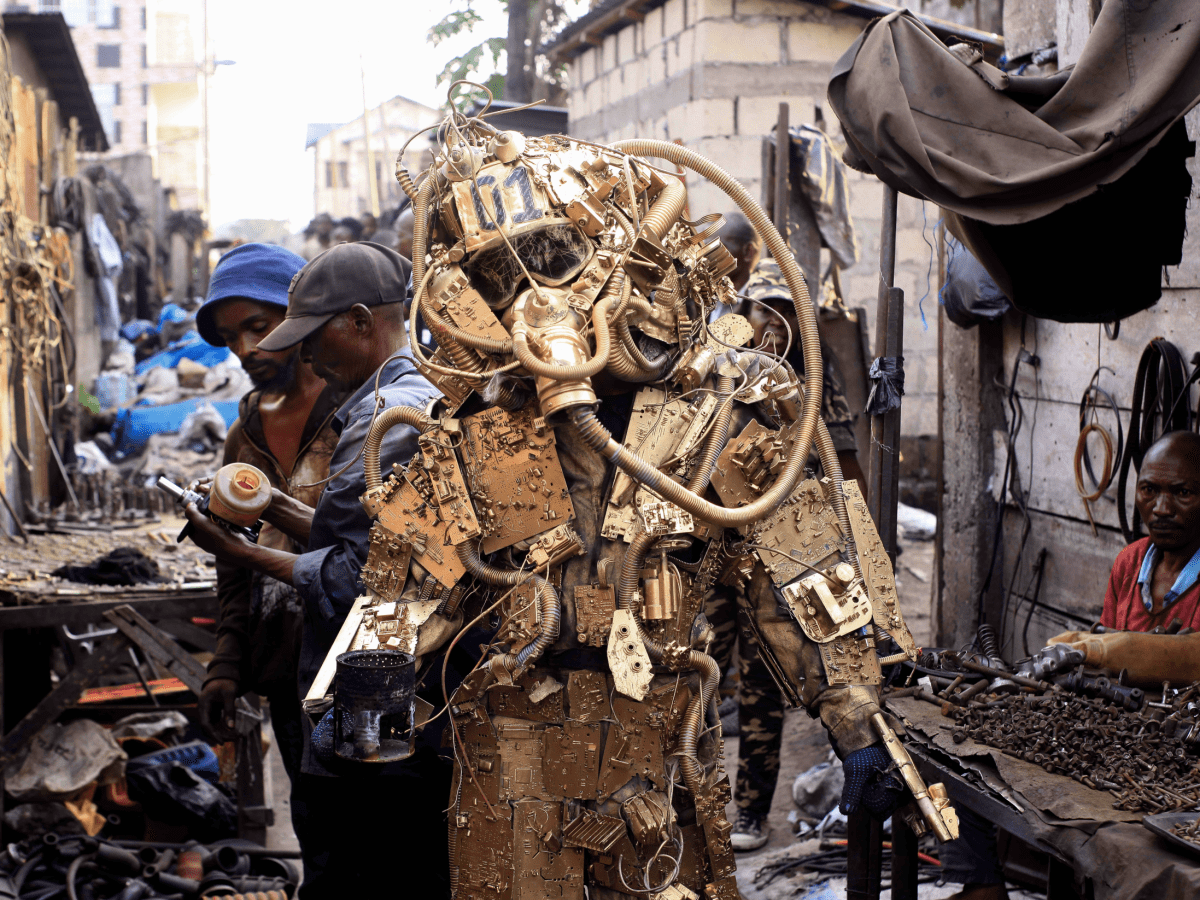
Performing the “Mask”: Kongo Astronauts on Postcolonial Entanglements
In conversation with Hanna Hölling, Emilie Magnin and Valerian Maly, Eléonore Hellio and Michel Ekeba of the collective Kongo Astronauts discuss the origins, ongoing evolution and potential futures of their multifaceted artistic practice.
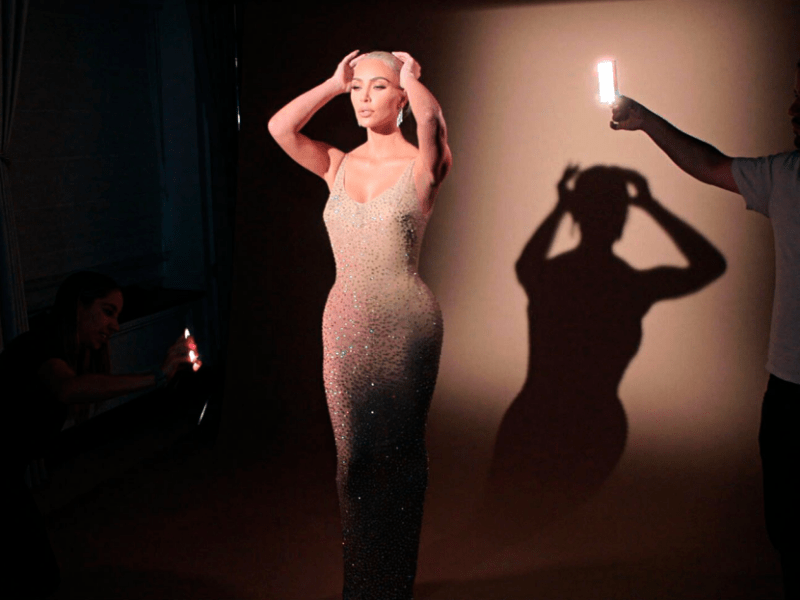
New article: “Conserving Performance, Performing Conservation” by Jules Pelta Feldman
Our team member, Jules Pelta Feldman, has just published an article titled “Conserving Performance, Performing Conservation: Kim Kardashian x Marilyn Monroe” in the Studies in Conservation journal.
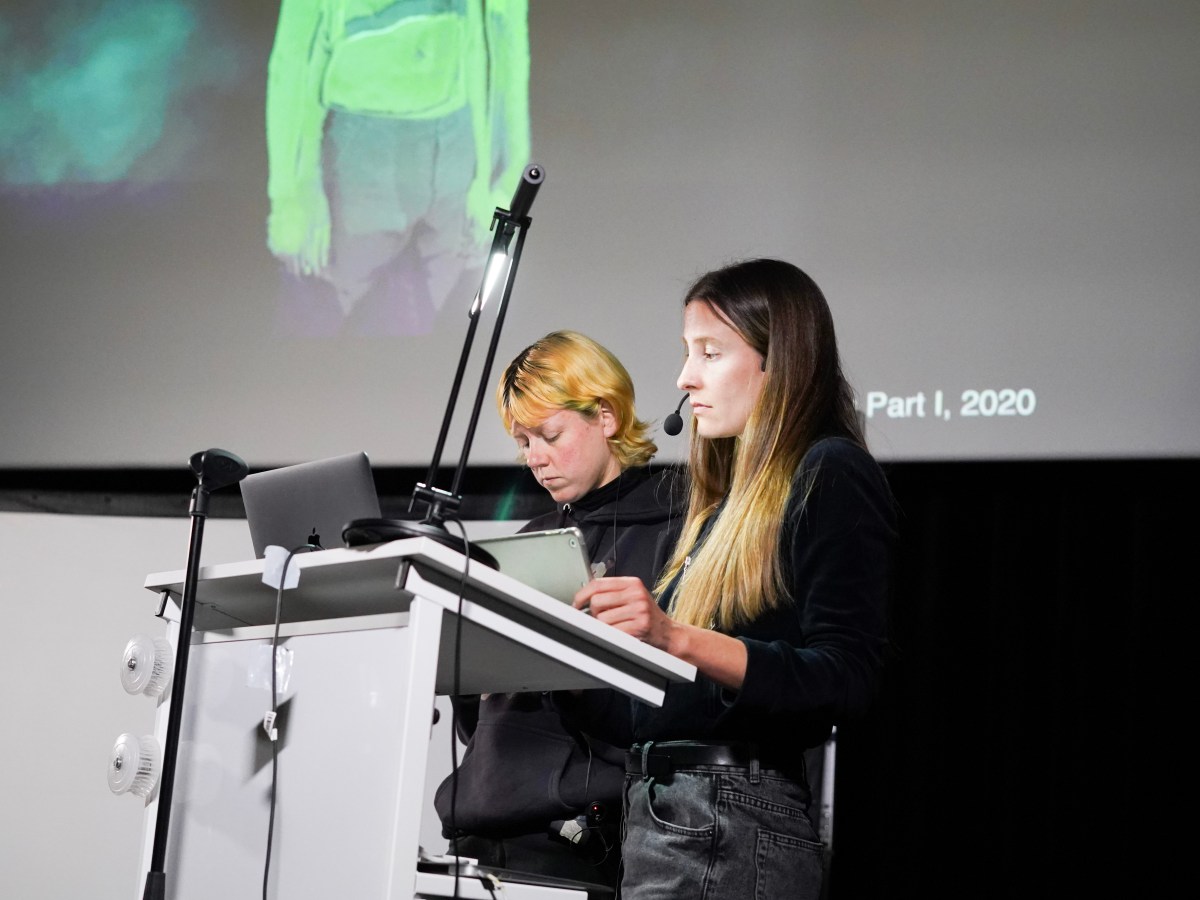
Survey: how do you want your performances to be conserved?
In advance of our third annual colloquium, Performance Conservation: Artists Speak, we collected responses from artists engaged with performance about their own thoughts and feelings on conservation and performance’s afterlives.
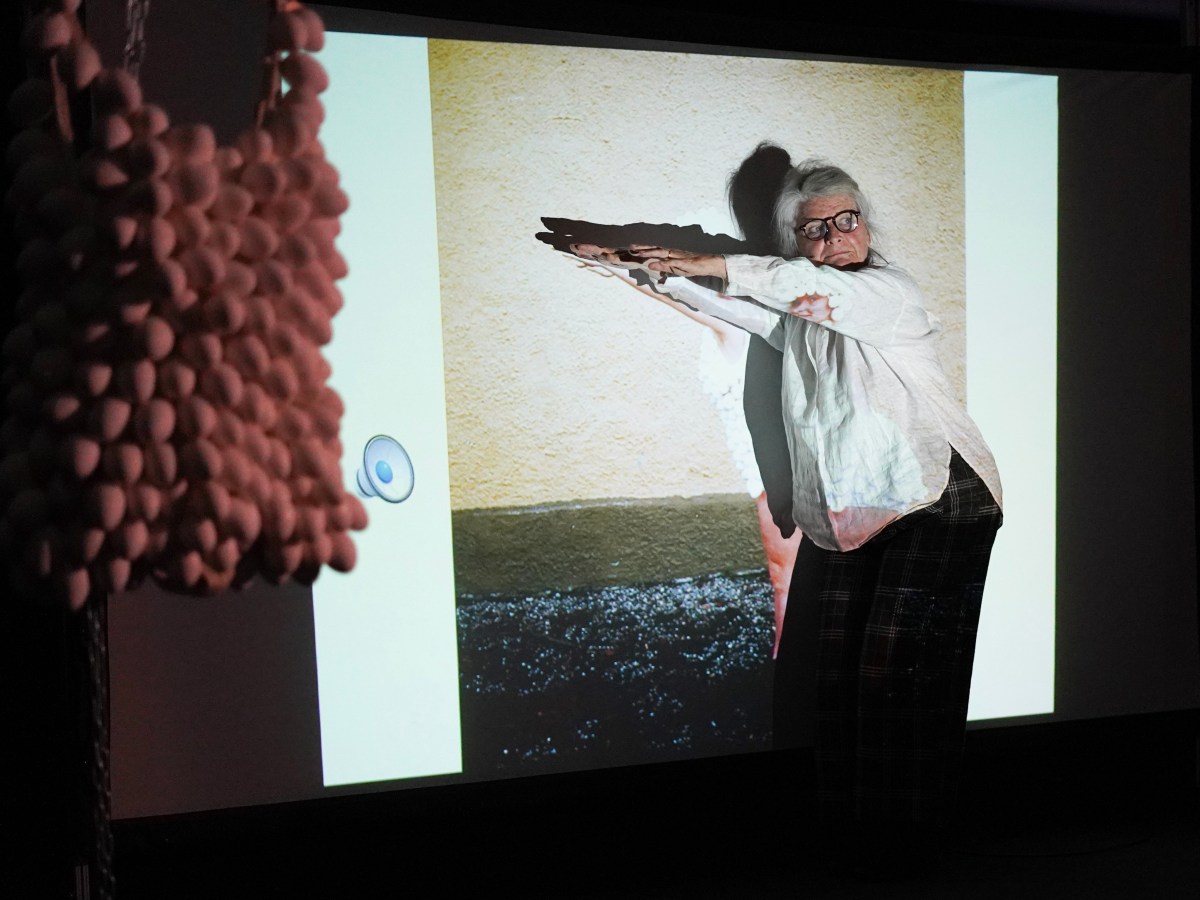
Nicole Savoy on our Third Colloquium
In this guest post, Nicole Savoy, a master’s student at the Bern Academy of the Arts studying the conservation of modern materials and media, reports on our third annual colloquium.
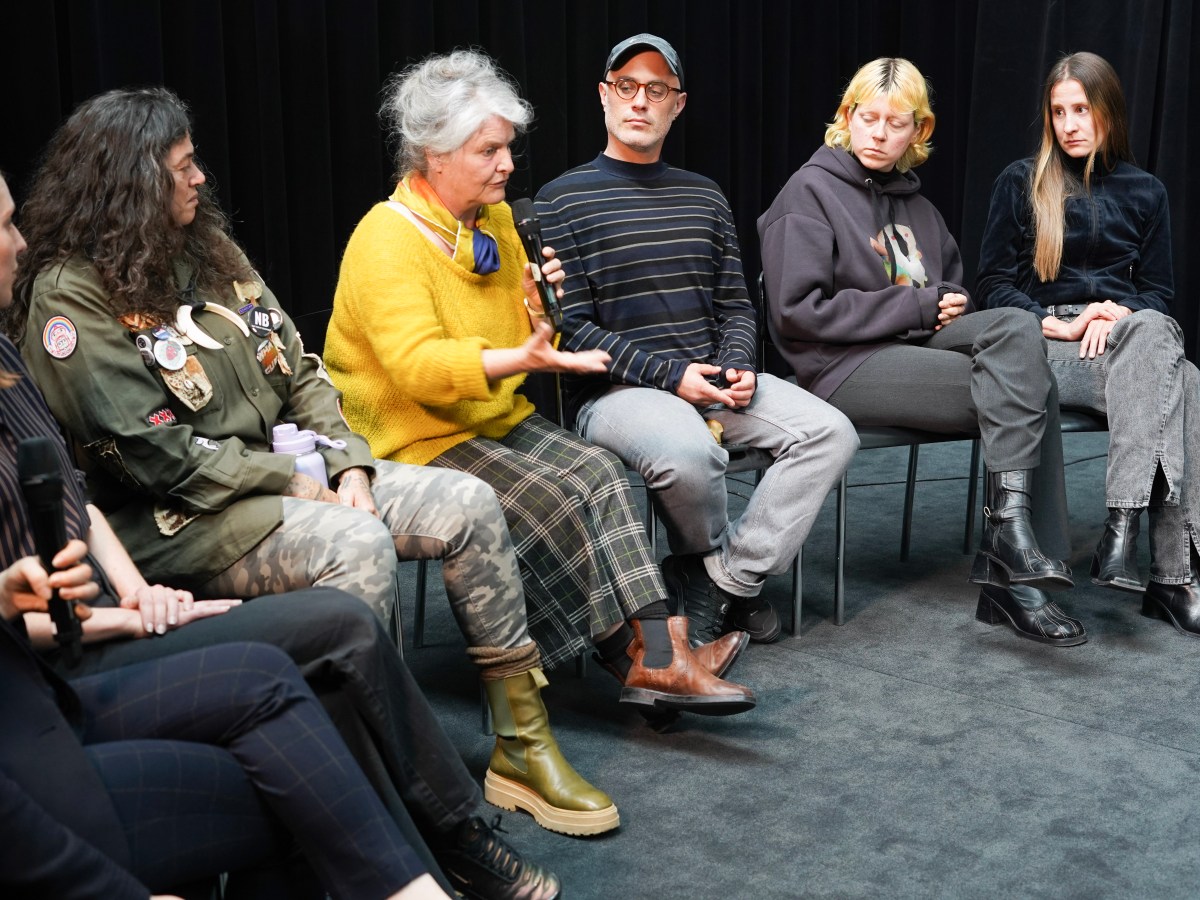
Artists Speak: Looking Back and Looking Forward
The artists have spoken: during our May 16 colloquium, a variety of artists engaged with performance presented their work and ideas about the relationship between performance and conservation. Read on to learn more.
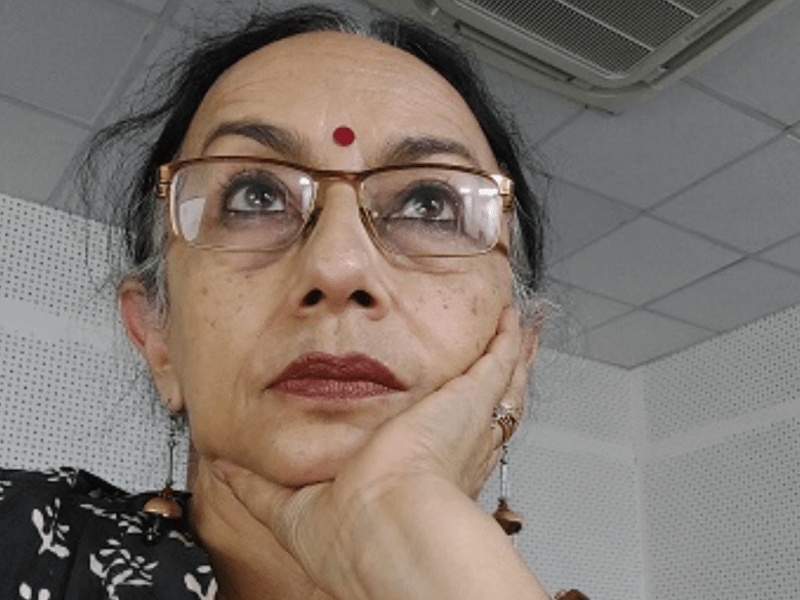
Urmimala Sarkar Munsi: On Dance and Preservation in India
Curious about how performance and dance conservation is practiced in India and what can be learned from Indian dance research and dance as research, the team of Performance: Conservation, Materiality, Knowledge has recently met with Urmimala Sarkar Munsi, who is an expert in social anthropology, dance studies and choreography.
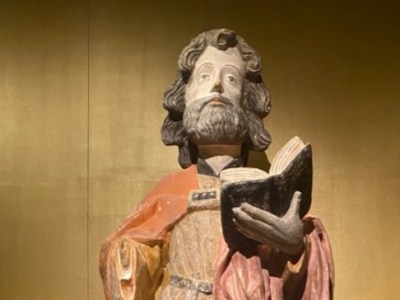
Inside Saint Barthélemy: a Seven-Day Motionless Journey
For seven days, the French artist Abraham Poincheval lived inside the enlarged reproduction of a medieval wooden sculpture. How does this durational and almost immobile performance relate to the different temporalities of the museum and the and the live body?
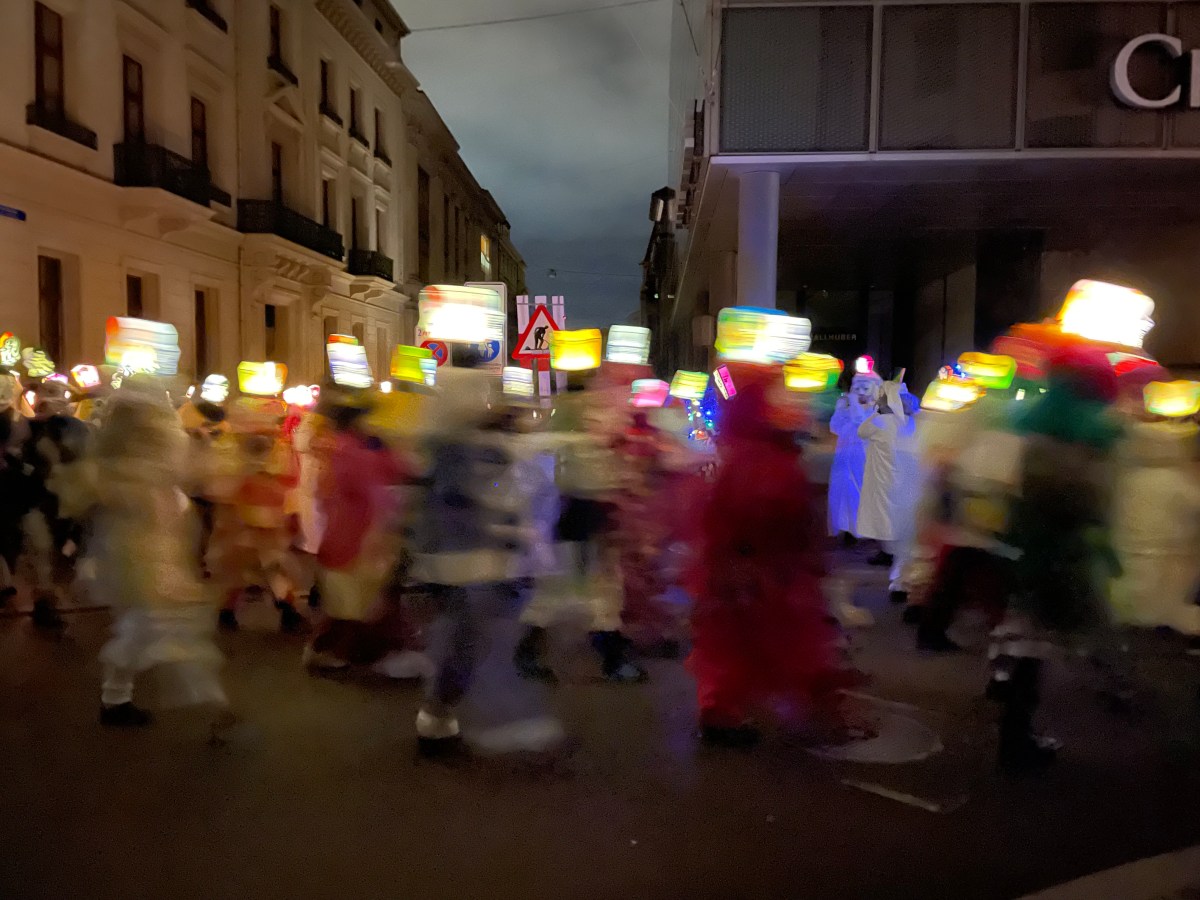
Change and continuity at Basel’s Fasnacht
How are performances transmitted across time through the modalities of ritual? Basel’s Fasnacht celebrations offer a unique opportunity to consider the relationship between continuity and change.
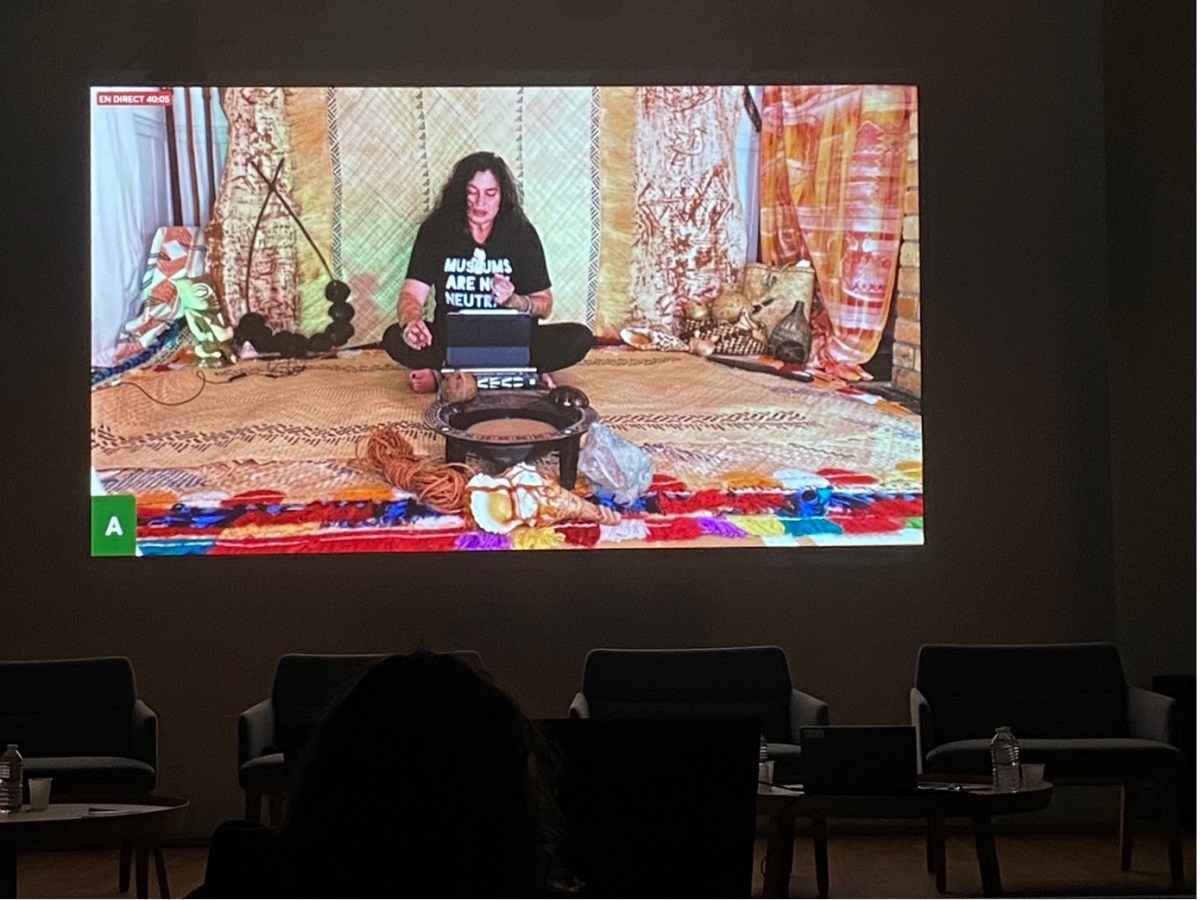
Divergent Conservations – conservations divergentes
Some reflections on the conference “Conservations divergentes – Préservation et transmission des collections de provenance coloniale en débat” (Divergent Conservations – Debates on the preservation and transmission of collections of colonial provenance).
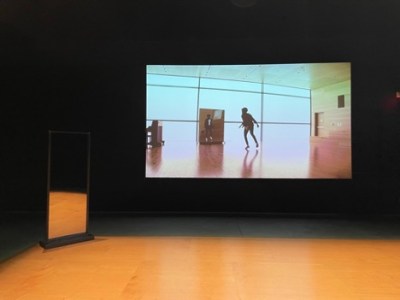
An invitation to dance: Tionia Nekkia McClodden at the Shed
In her recent exhibition at New York’s Shed, McClodden’s installation did not only present documentation of dance, but also invited viewers to experience four different types of dance floors.
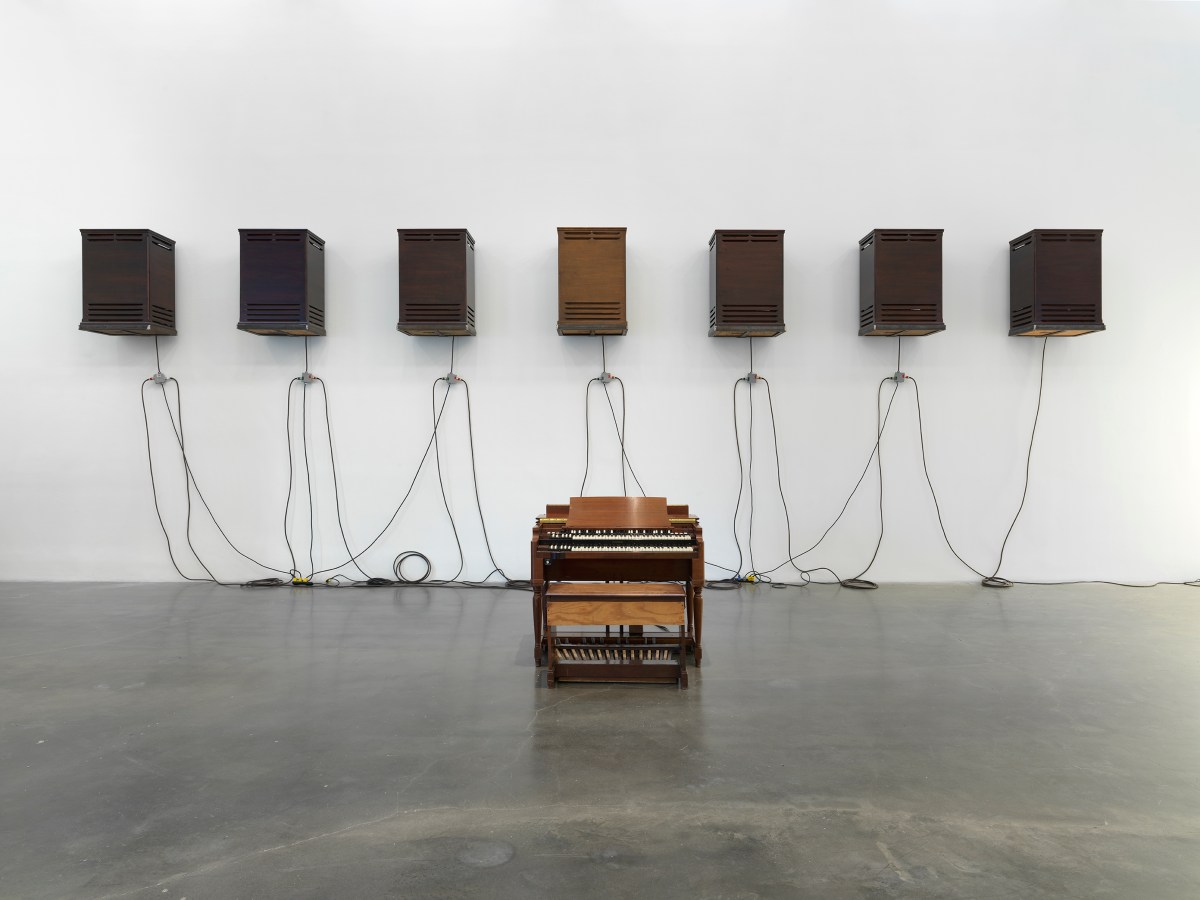
Performance and inertia: Theaster Gates at the New Museum
As performance plays an ever-greater role in art exhibitions, art objects previously considered inert are made to express performative aspects of their histories or forms.
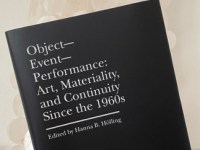
Announcing a new publication: Object—Event—Performance
This blog post celebrates the publication of a new volume, Object—Event—Performance: Art, Materiality, and Continuity Since the 1960s (2022). The volume’s ten chapters consider questions of conservation that arise with new artistic mediums and practices.
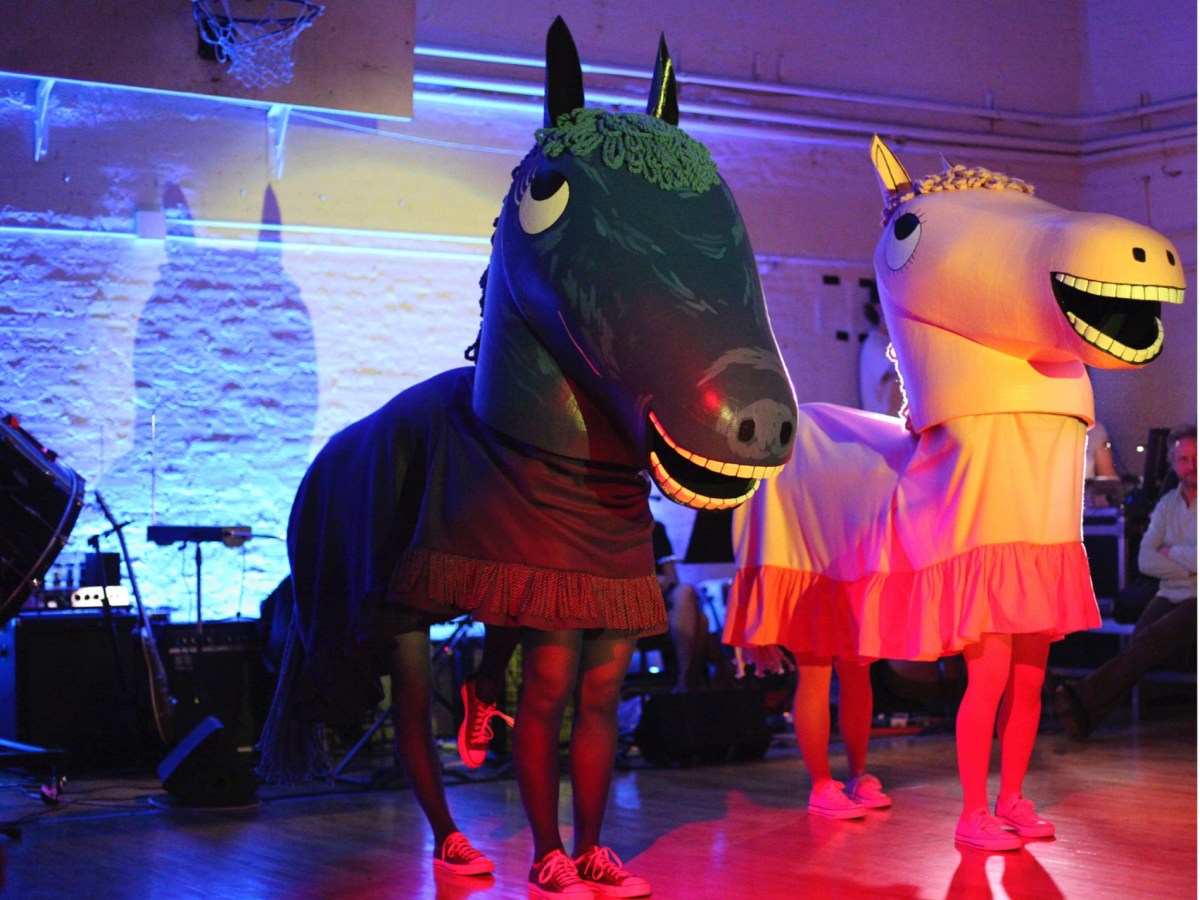
Performance from A to Z: a Conversation with Performa’s Executive Producer Esa Nickle
Since its creation in 2005, the New York performance biennial Performa has played a leading role in the development and diffusion of performance art. We recently met with Performa’s Managing Director and Executive Producer, Esa Nickle.
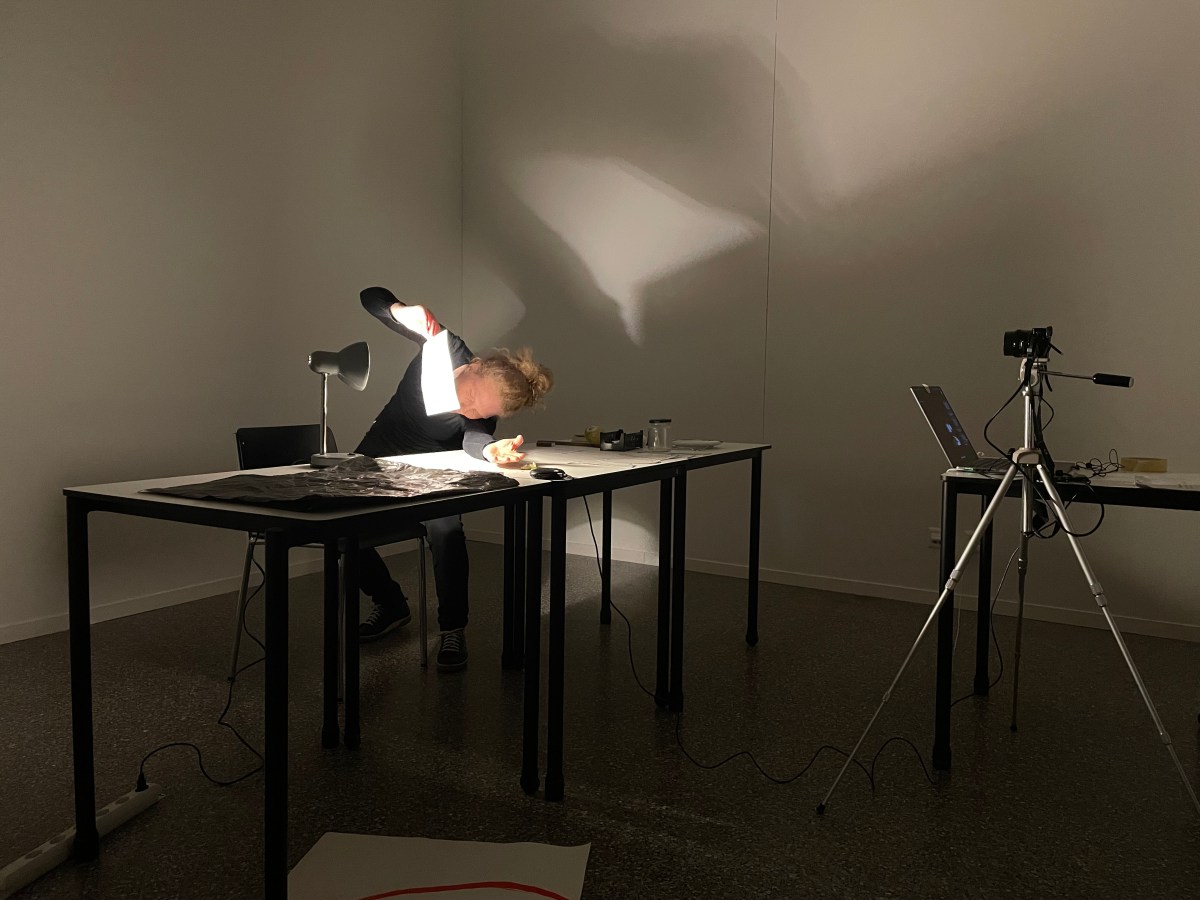
Nicole Savoy on our second colloquium
Guest contributor Nicole Savoy reports and reflects on our second annual colloquium, “Performance Conservation: Interdisciplinary Perspectives.”
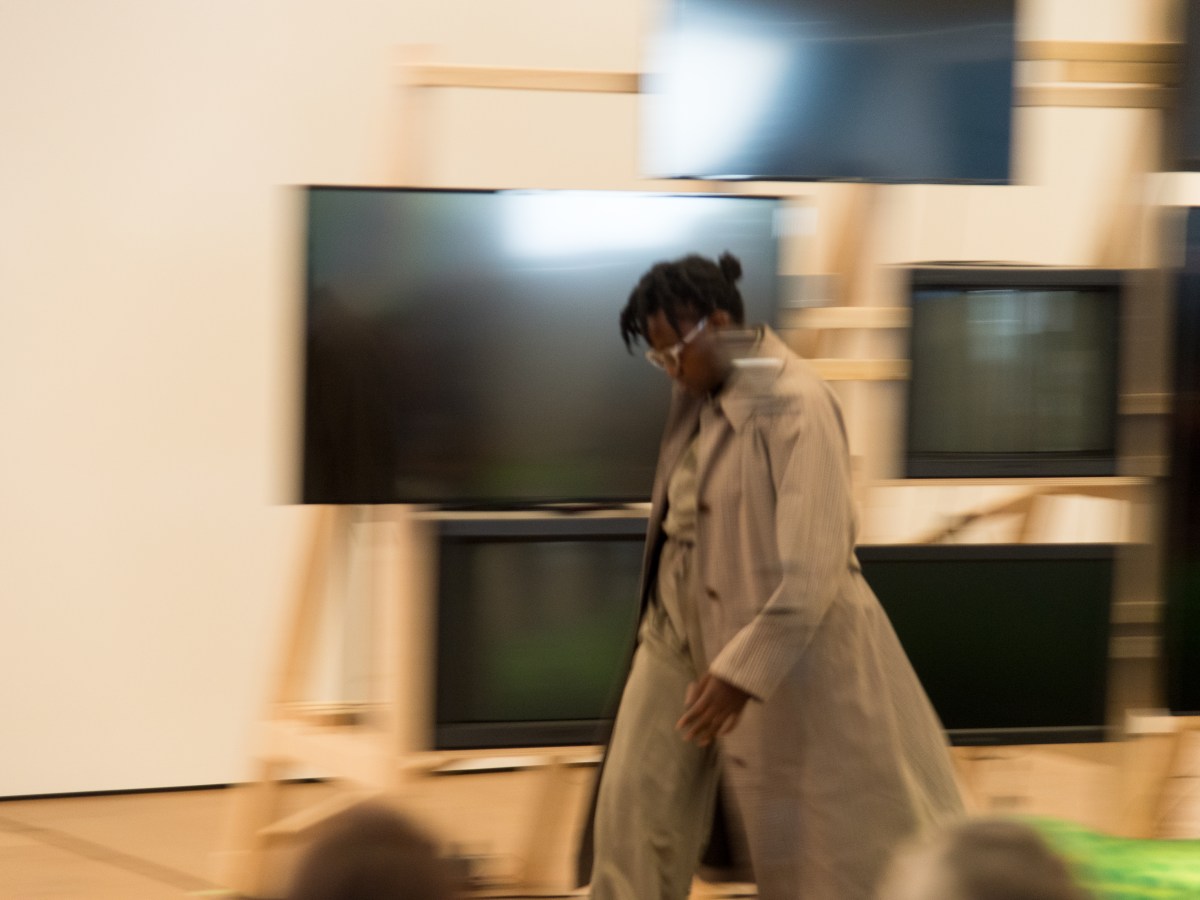
Looking at the moon: Davide-Christelle Sanvee and the embodiment of Swiss performance history
A recent performance by Geneva performance artist Davide-Christelle Sanvee at the Museum Tinguely demonstrates that performance itself is a tool for conserving performance art’s history – and for reinterpreting it.

Looking back at Conserving “Us:” Caring for Living Heritage, Oral Tradition and Indigenous Knowledge — A Conversation with Brandie Macdonald
What does it take to care for living heritage and indigenous knowledge? What does it mean to conserve oral tradition or spiritual performance? How can museums become a space for engaging with living objects, and how to approach these through a decolonial lens? Our research team invited Brandie Macdonald, Chickasaw Nation/Choctaw Nation, senior Director of…
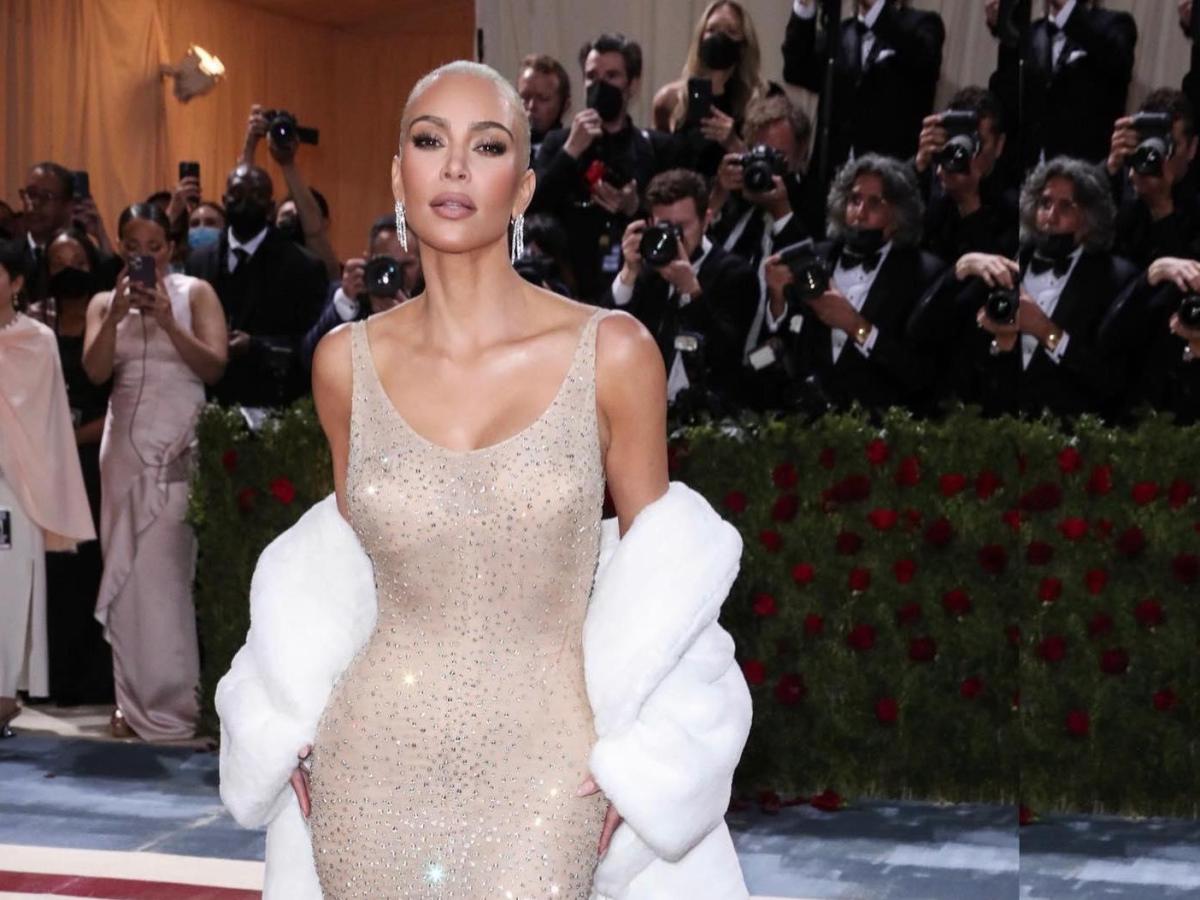
Conservation clash: Kim Kardashian meets Marilyn Monroe
When Kim Kardashian wore a spectacular dress originally made for Marilyn Monroe to the iconic annual gala of the Metropolitan Museum’s costume institute, textile conservators expressed outrage. But how might we interpret this bold act from the perspective of performance conservation?
Time to Listen: The Aural Dimensions of Performance and Time-Based Media Art
In conservation and art history, two disciplines that remain very visually oriented, the sound aspects of artworks are too often neglected or forgotten. This aspect was the subject of recent discussions with performance scholar Heike Roms and time-based media conservator Amy Brost.
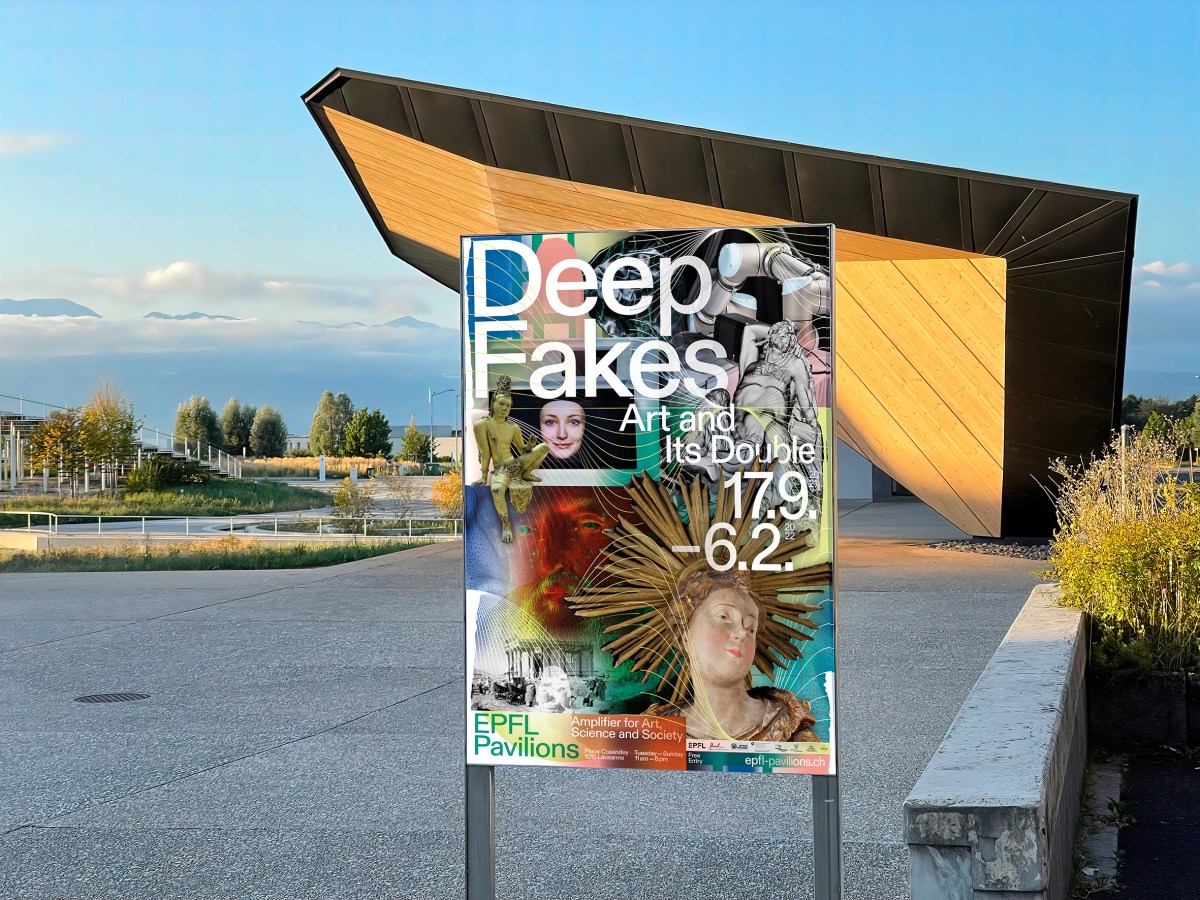
On the bleeding edge of heritage conservation: “Deep Fakes” at EPFL Pavilions, Lausanne
This post reflects on our visit to an exhibition that showcases the use of advanced technologies – and partnerships with industry – to preserve, research, and access cultural heritage.
Caring for Performance – Recent Debates
When we ask about how to conserve performance-based art, what are we asking? If we think of performance as itself a mode of conservation, what are we thinking? What is at stake in conserving changeability? Rebecca Schneider and Hanna B. Hölling [1] Contemporary discourses of care emergent from recent art and material culture have long…
Conserving Ourselves, Creating Ourselves: Thinking with the Philosopher Alva Noë
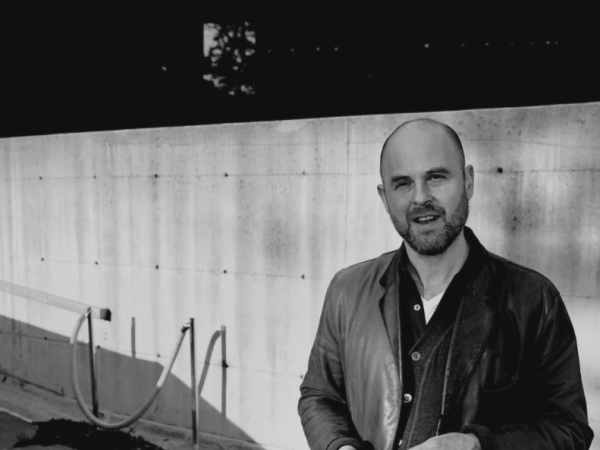
When we endeavor to preserve a work of art, what are we preserving? What does it mean to preserve, and how can an artwork be grasped in the context of its preservation? What is the difference between the preservation of a traditional artwork and the preservation of performance? How much is any work of art…
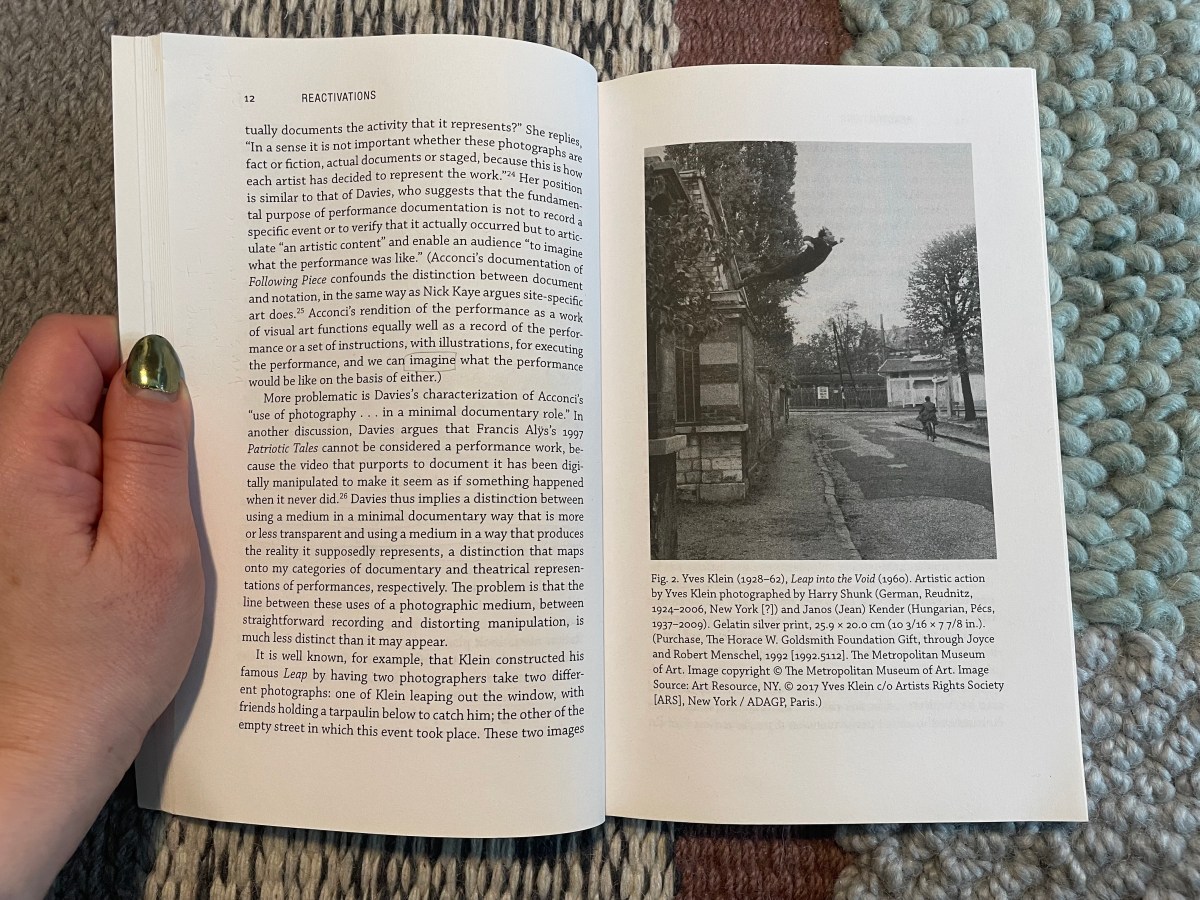
The iconic image: a conversation with Philip Auslander
Recently, our team met with Philip Auslander, an influential performance scholar who has argued that performance documentation is not merely a passive afterimage of a live act, but rather can be seen to partially – in some cases, even wholly – determine a performance’s reception and thus actively shapes what we understand the performance to…
“Somebody felt that too!” Discussing Performance Legacies with Paul Couillard
During our recent conversation with Canadian artist and curator Paul Couillard, we discussed the preservation of performance through the lens of the various curatorial and artistic projects that he has been engaged with. How should a performance work be remembered, what about it is to be preserved? And how to foster and renew relationships between…
Nicole Savoy on Claire Bishop
Guest contributor Nicole Savoy discusses the team’s recent public conversation with Claire Bishop, in which the art historian and critic responded to the question: “can performance art be conserved?”
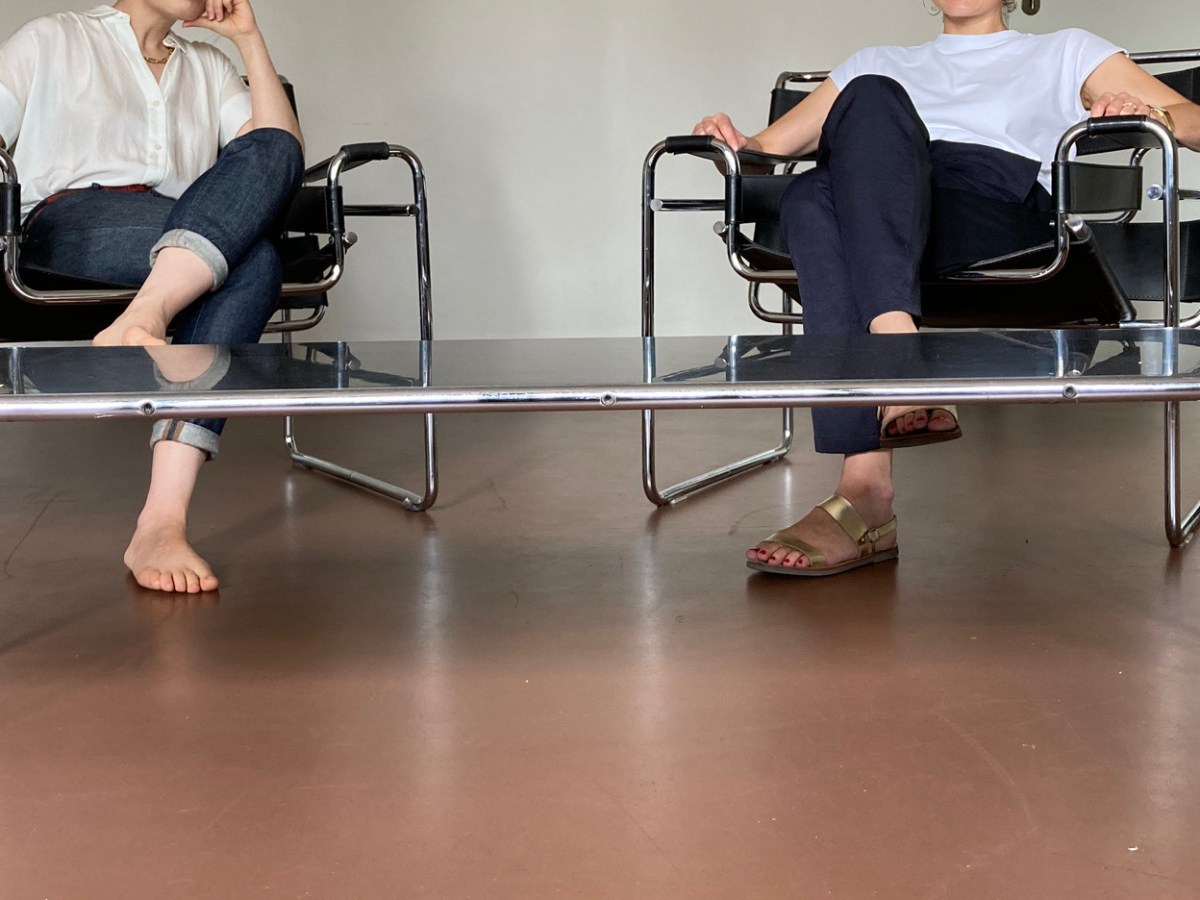
Performing the Bauhaus
What role does architecture play in choreographing performance – both the actions of the performer, and the reception of their audience? How do the spaces we inhabit affect our movements and behavior?
On Performance Art, Theatre, and their Conservation: Conversation with Florian Reichert
The question of conservation is challenging the field of performance art, but at the same time it is also eruptive, creative and evocative. On February 10, 2021 we spoke with Florian Reichert, head of the Department of Theatre at Bern University of the Arts, about the influence conservation has on performance art and theatre, the…
How Not to Think About the Future: A Conversation with Performance Artist Marilyn Arsem
In the conversation with performance artist Marilyn Arsem, our research group Performance: Conservation, Materiality, Knowledge focused on her artistic work, the difficulties posed by the attempts to conserve performance art and the complications in preserving a performance before it happened.
Exploring anarchival materiality with Kate Hennessy
The idea of “anarchival materiality” – which probes how rebellious and fugitive media might help reveal the histories and biases of anthropology – seems a promising approach to the documentation of performance.

The conservability of performance: Two events and their afterlives
In recent weeks, our research project hosted its first two public events: the two-day colloquium “Performance: The Ethics and the Politics of Care — # 1. Mapping the Field,” and “Living Materials: Ethics and Principles for Embodied Stewardship,” an in-depth conversation between Cori Olinghouse and Megan Metcalf. Julia reflects on what we learned from these…
Contemplating digital ruins with Sabine Himmelsbach
How to preserve complex digital artworks for the future? And what parallels can we draw between media art and performance art? Our recent conversation with Sabine Himmelsbach, director of the Haus der elektronischen Künste Basel (HeK), has led us to explore the institutional afterlives of performative artworks in a broader sense.
Dislocated Forces: Introductory Notes on the Research Project “Performance : Conservation, Materiality, Knowledge”
In a metaphorical sense, performance art might even take place in that blurred margin that the spotlight outlines on a black stage floor: a fraying, shimmering boundary, oscillating between the black box of the theater and the white cube of gallery and museum spaces. How might this liminal entity be conserved?
Ausgerenkte Kräfte: Eingangsnotate zu dem Forschungsprojekt «Performance : Conservation, Materiality, Knowledge»
Performance Art spielt sich vielleicht im metaphorischen Sinne an jenem unscharfen Rand ab, den der Kegelscheinwerfer auf dem schwarzen Bühnenboden zeichnet: Ein ausfransender, schillernder Rand – im metaphorischen Sinne zwischen der «Black Box» des Theaters und dem «White Cube» der Galerie- und Museumsräume oszillierend. Wie lässt das sich konservieren?
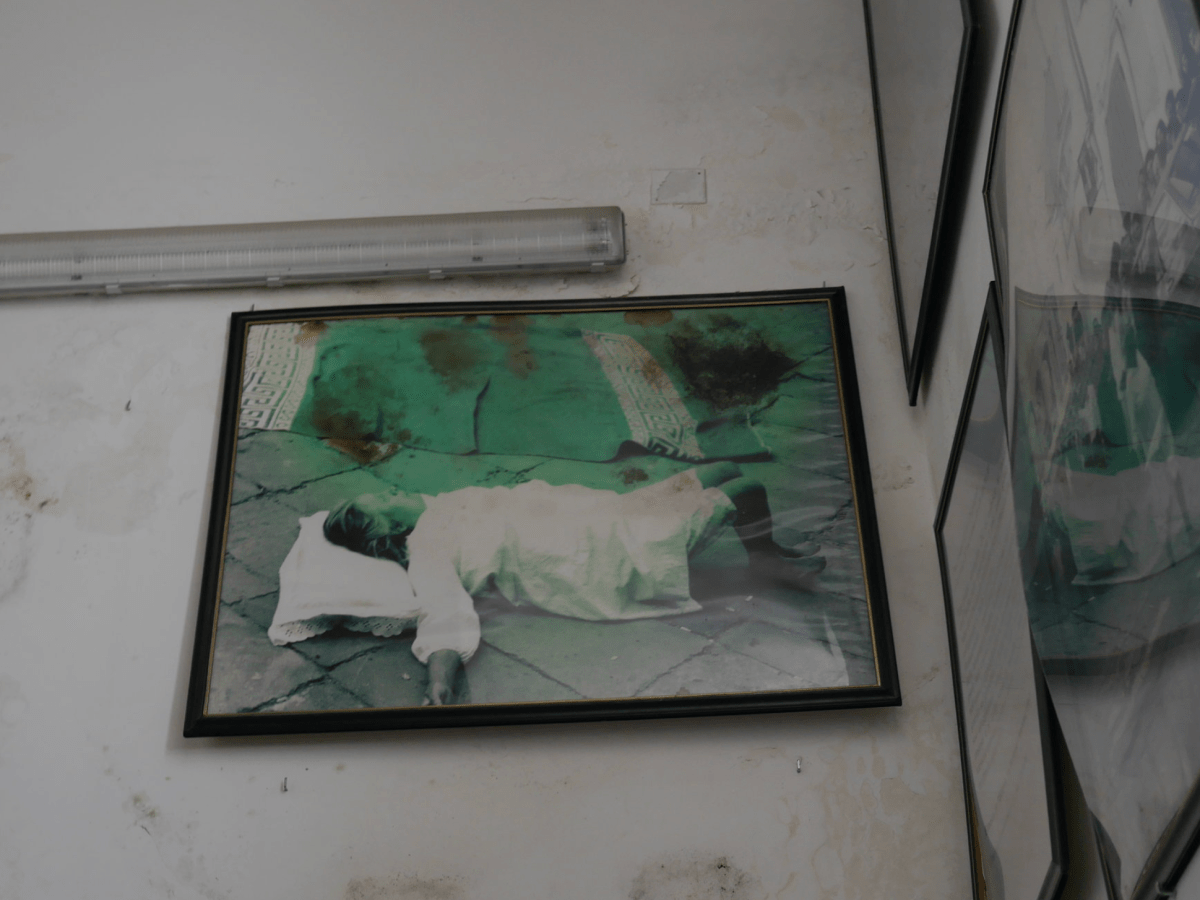
Michaela Schäuble, with and without a camera
We anticipated a scintillating and productive discussion with anthropologist and filmmaker Michaela Schäuble when we met with her in April. That assumption proved entirely correct – but other assumptions we held about the contemporary practice of anthropology, and Schäuble’s own approach to documentation, were turned inside-out. (Photograph by Anja Dreschke.)
Strength in numbers: a joint meeting with COLLECTING THE EPHEMERAL
Proof of the vitality and the growing interest for the performative arts in Switzerland, there are currently not one but two exciting SNSF research projects that are engaging with performance art from the perspective of its institutionalization.
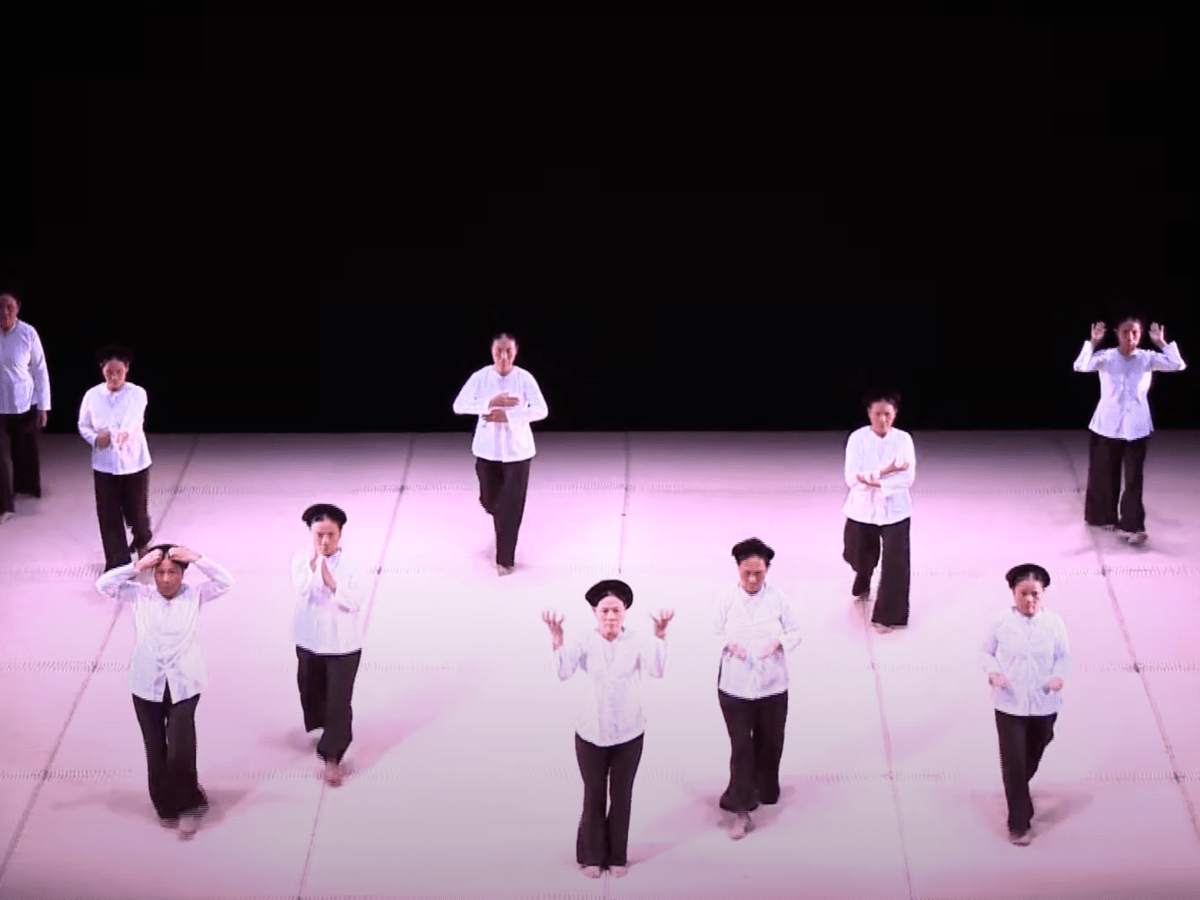
Memory and/as preservation: a conversation with Rivka Eisner
As an art historian, I am used to thinking of memory as something that must be captured in another medium – text, video, etc. – in order to be preserved. But perhaps memory itself can be a form of preservation.
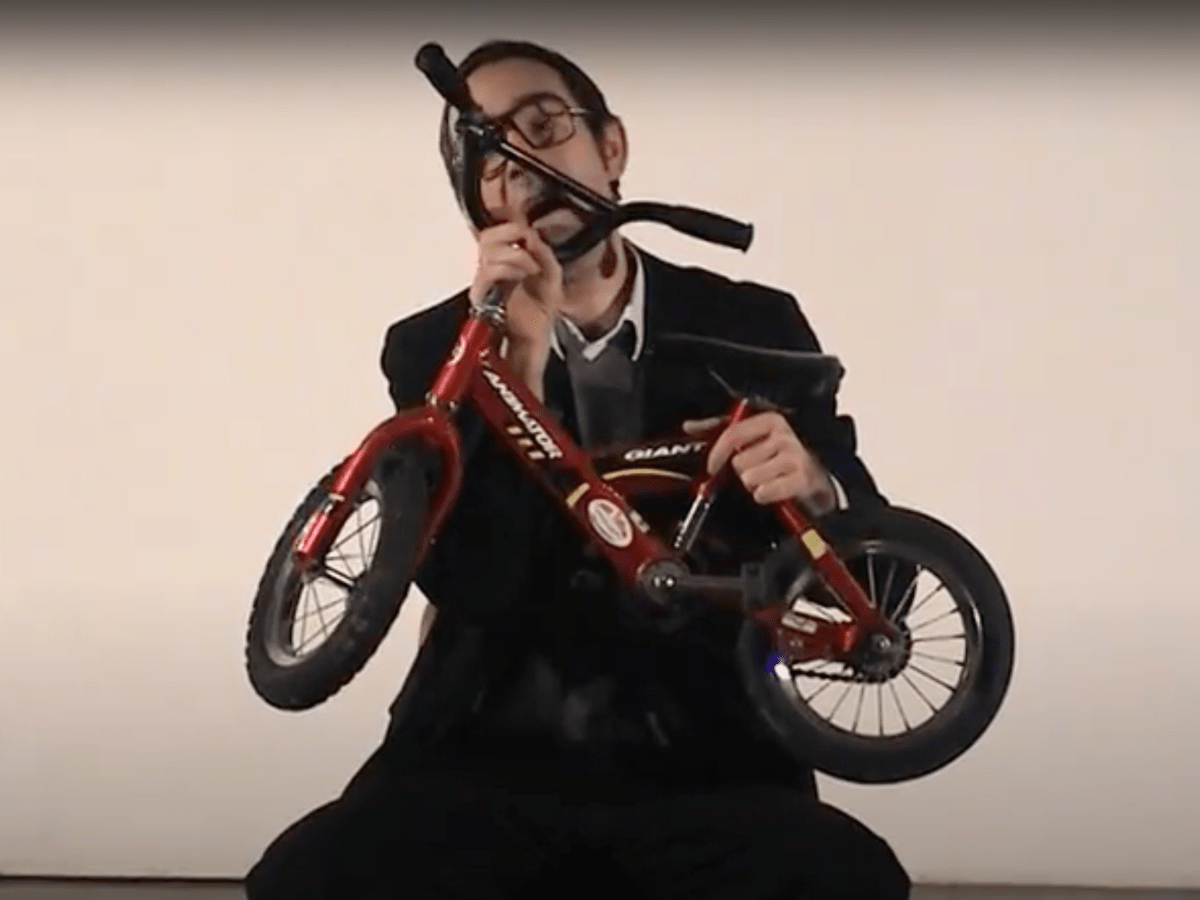
On the Continuity of Practice in Florian Feigl’s work
For Florian Feigl, performance is about practice, continuity, and processes—things that lead to one another, things we do. Known for 300 (2009 – ongoing), a series of performances built upon everyday activities that take place within a prescribed time interval of circa 5 minutes or 300 seconds, the series exemplifies the concept of continuity in his work.…
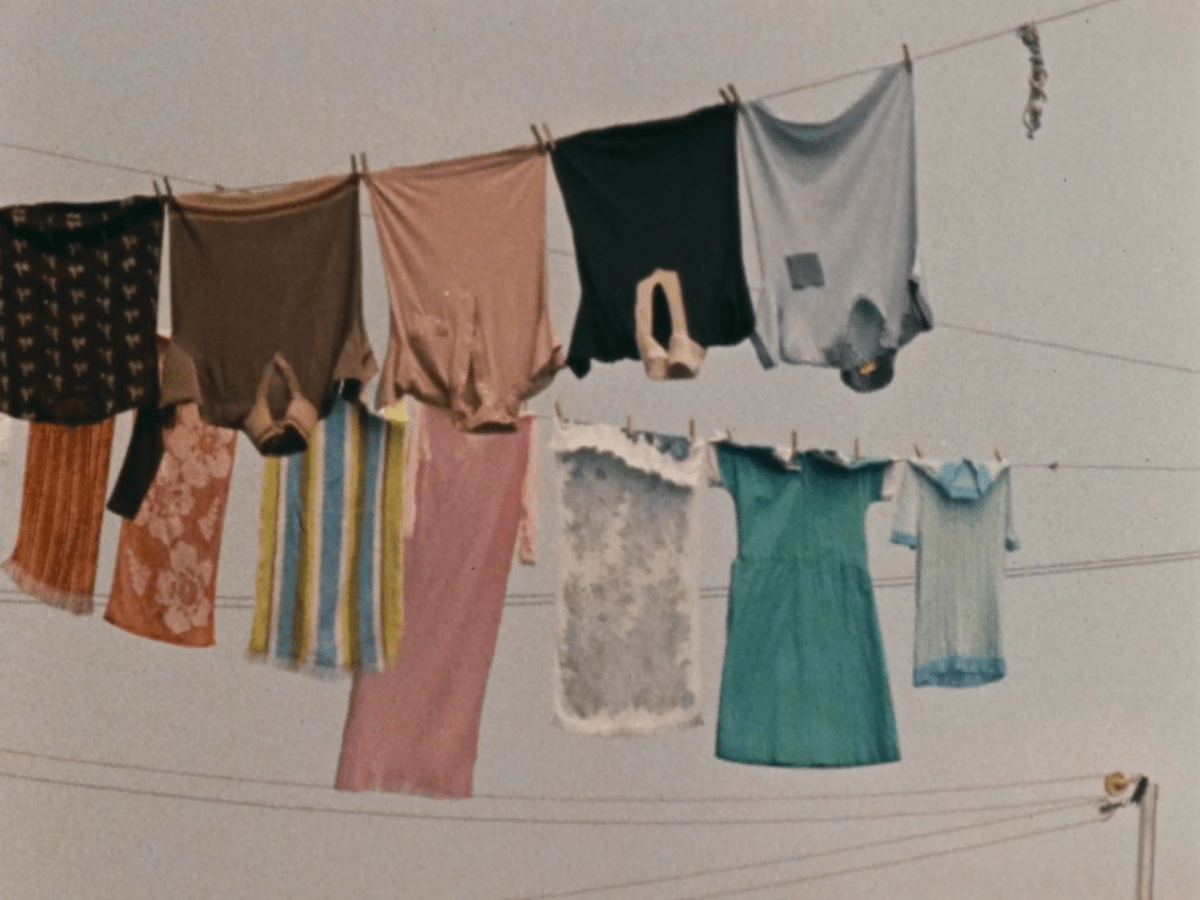
Looking at how people do things: a conversation with folklorist Gabrielle A. Berlinger
Folklorists view all forms of creative expression as performative, as modes of communication that must be interpreted in context. Can their methods towards understanding and documenting intangible things inspire us in our approach to performance conservation?
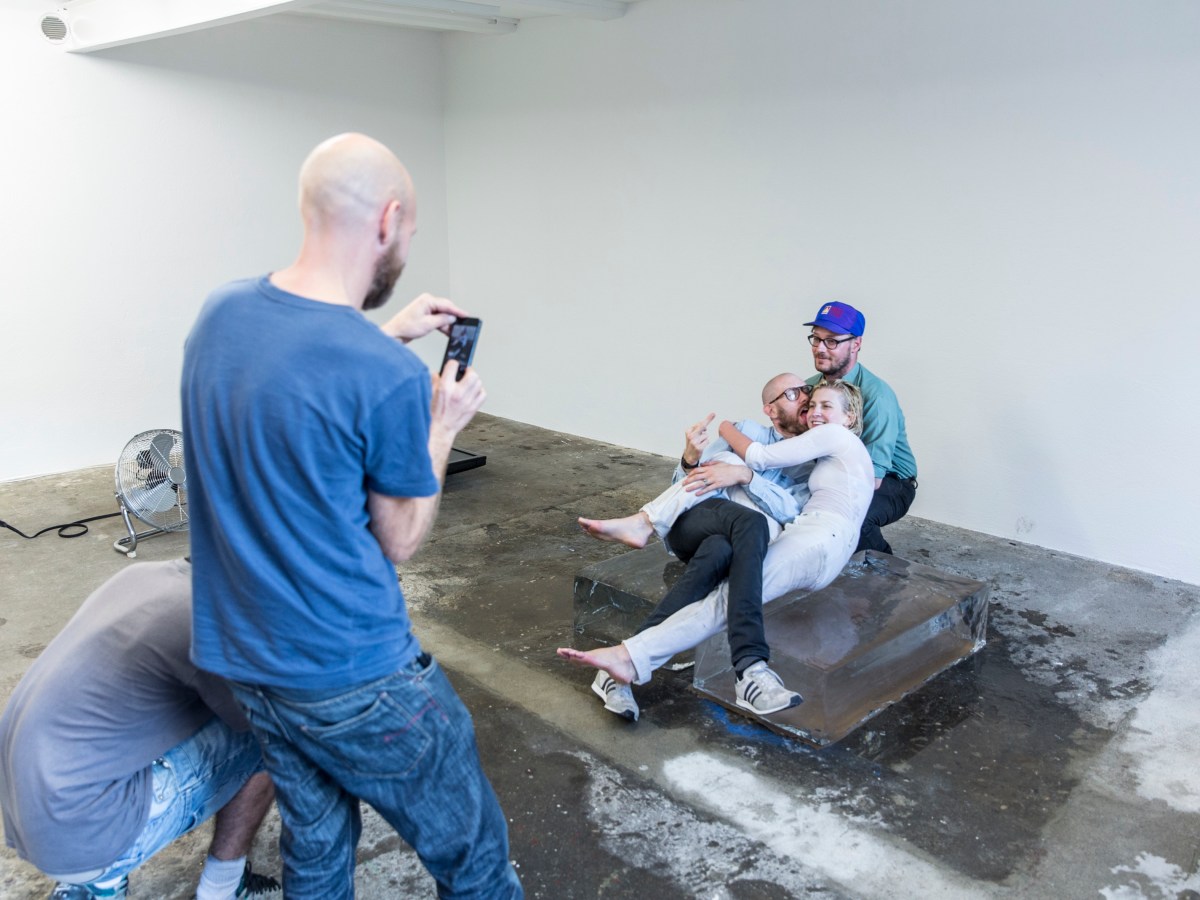
Reflecting on different forms of performance documentation
What is performance conservation? Time-based media conservator and now art historian Emilie Magnin is thinking about the interlacing of performance, documentation and conservation from a conservator’s perspective.
Practiced spontaneity: a conversation about free improvisation with Professor Thomas Gartmann
Much like art performance, freely improvised music is considered spontaneous, transient, and unique. Could approaches from the world of music help us conserve ephemeral art?
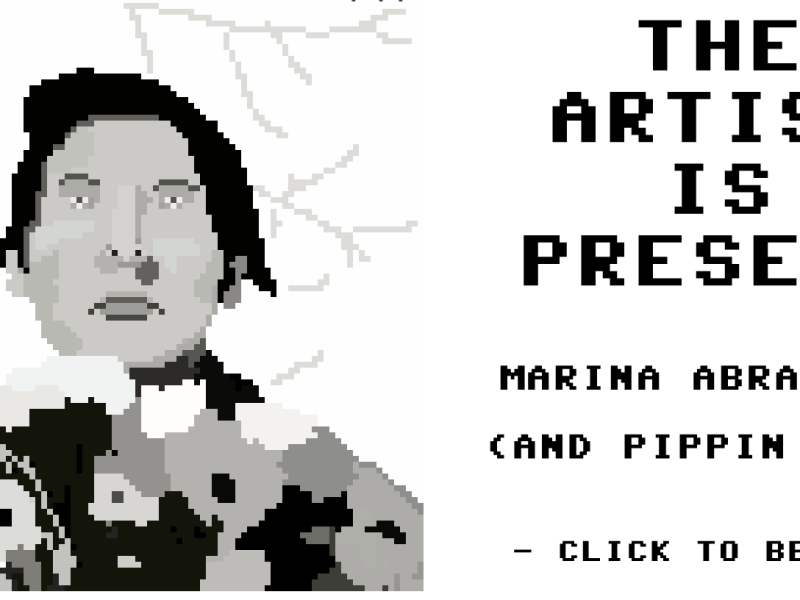
Can computer games be conservation?
Might Pippin Barr’s simple flash games represent a useful tool in the conservation of performance art?
 Performance: Conservation, Materiality, Knowledge